What I Do
End-to-end mechanical engineering — from napkin sketch to production-ready product. I bring MIT research depth and real industry experience to every project, with the speed and flexibility that only a dedicated solo engineer can offer.
01

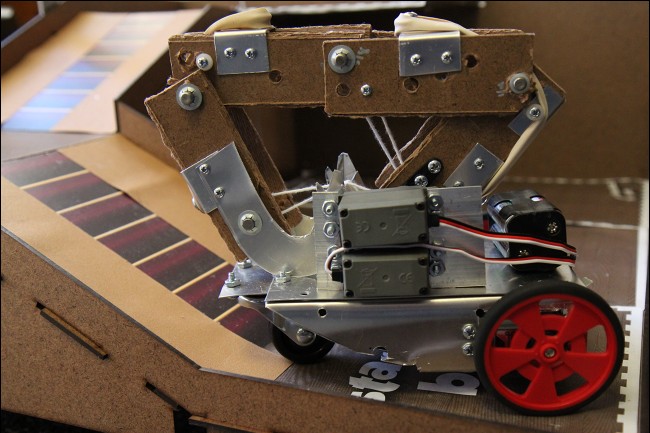
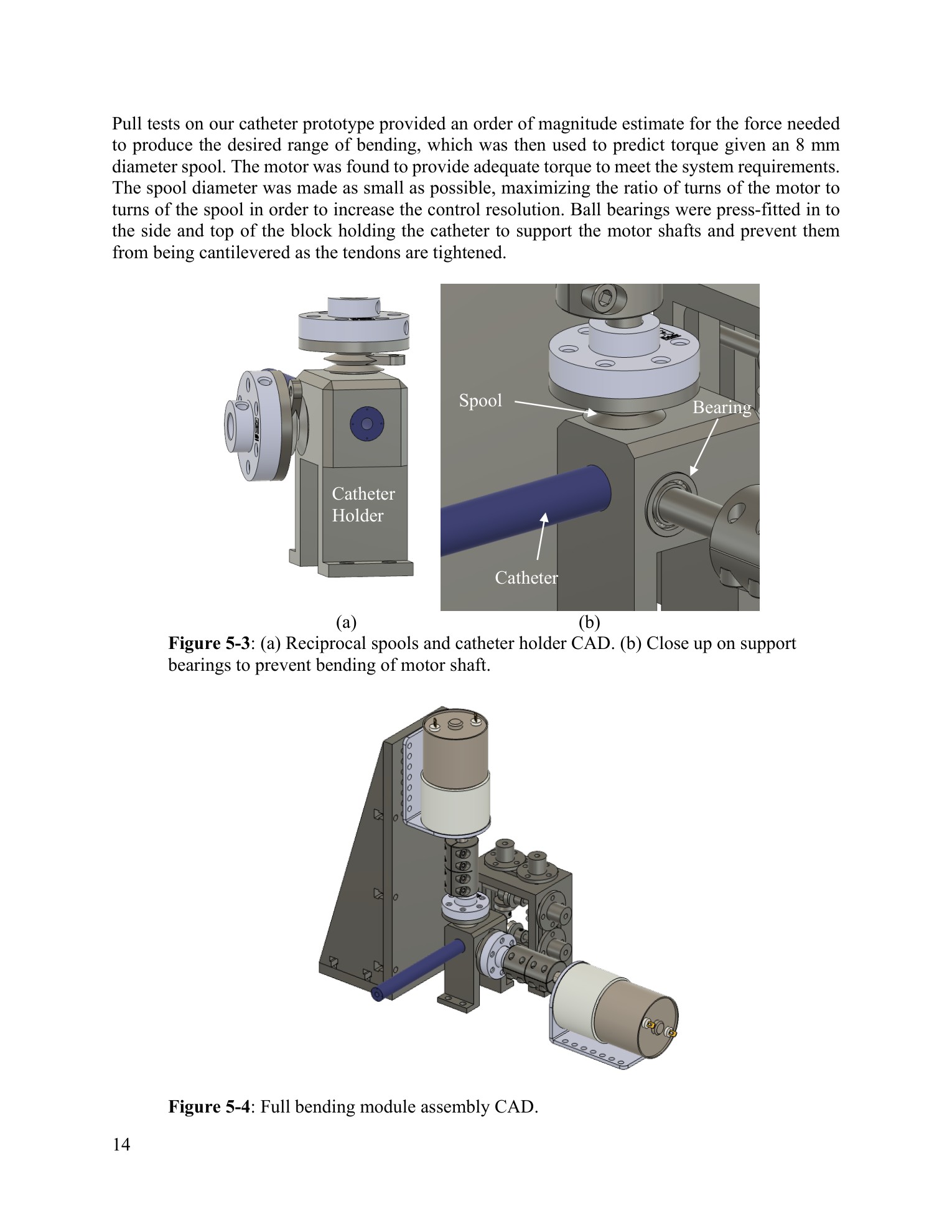
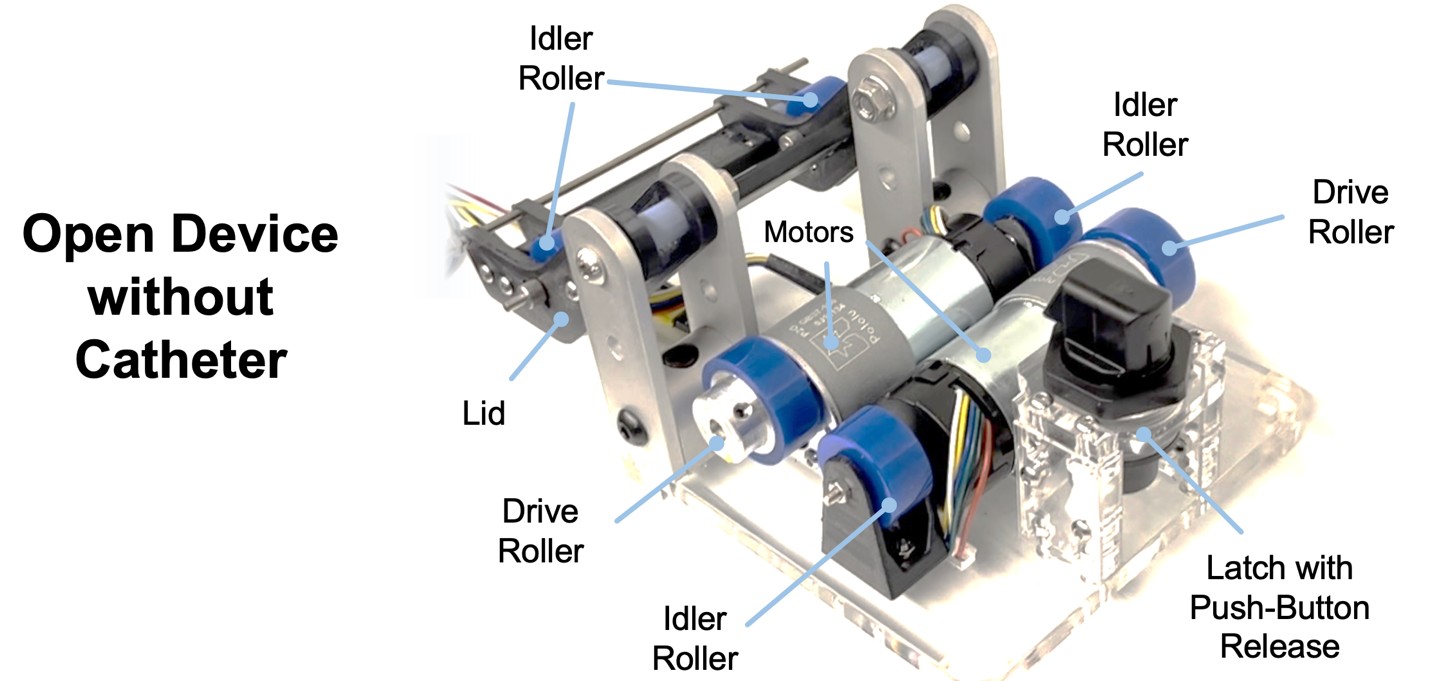
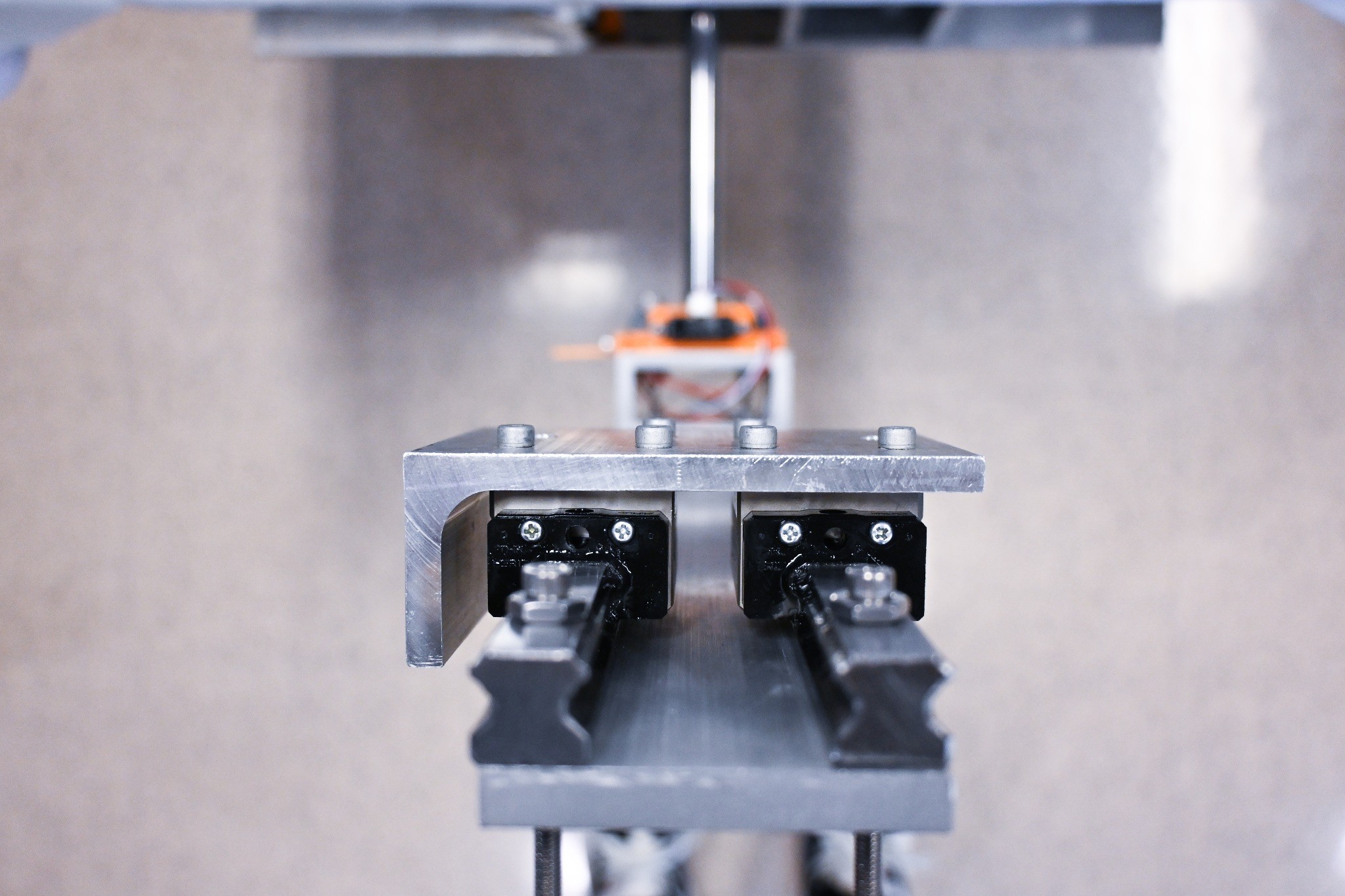
Precision Machine Design
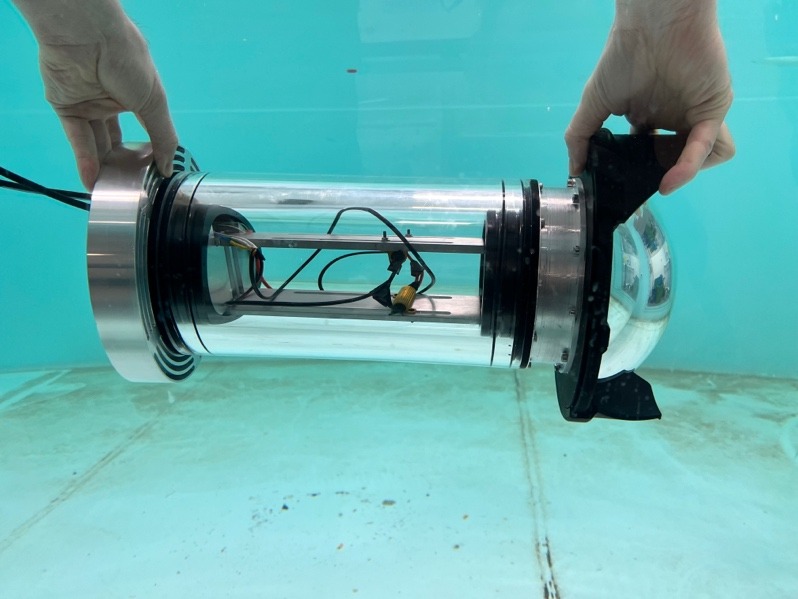
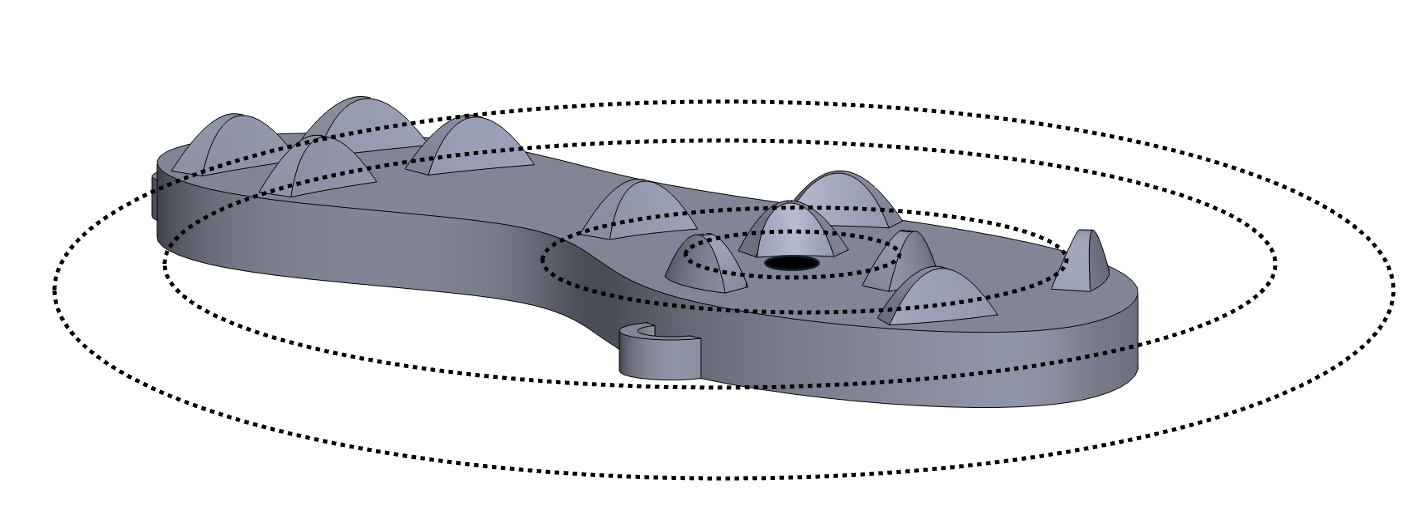
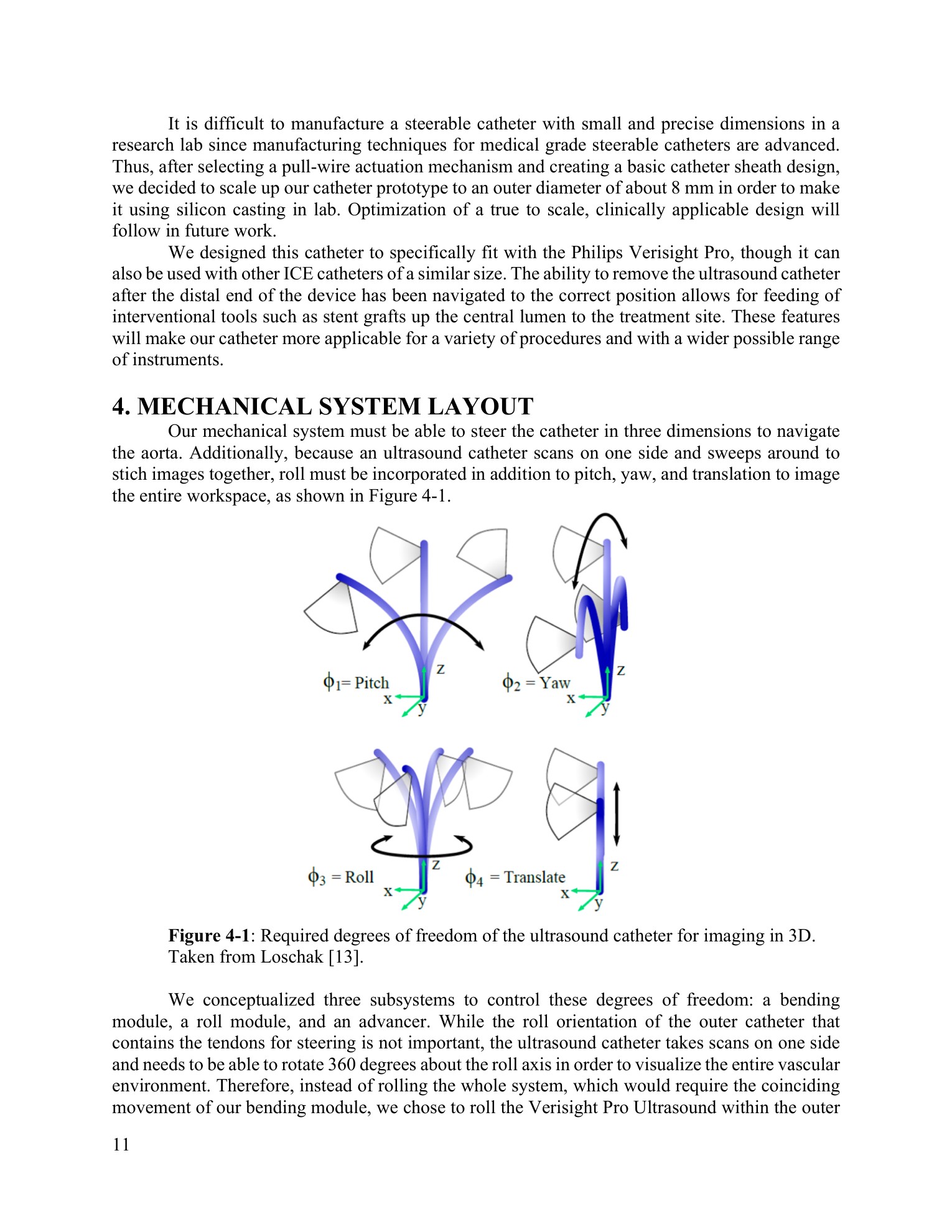
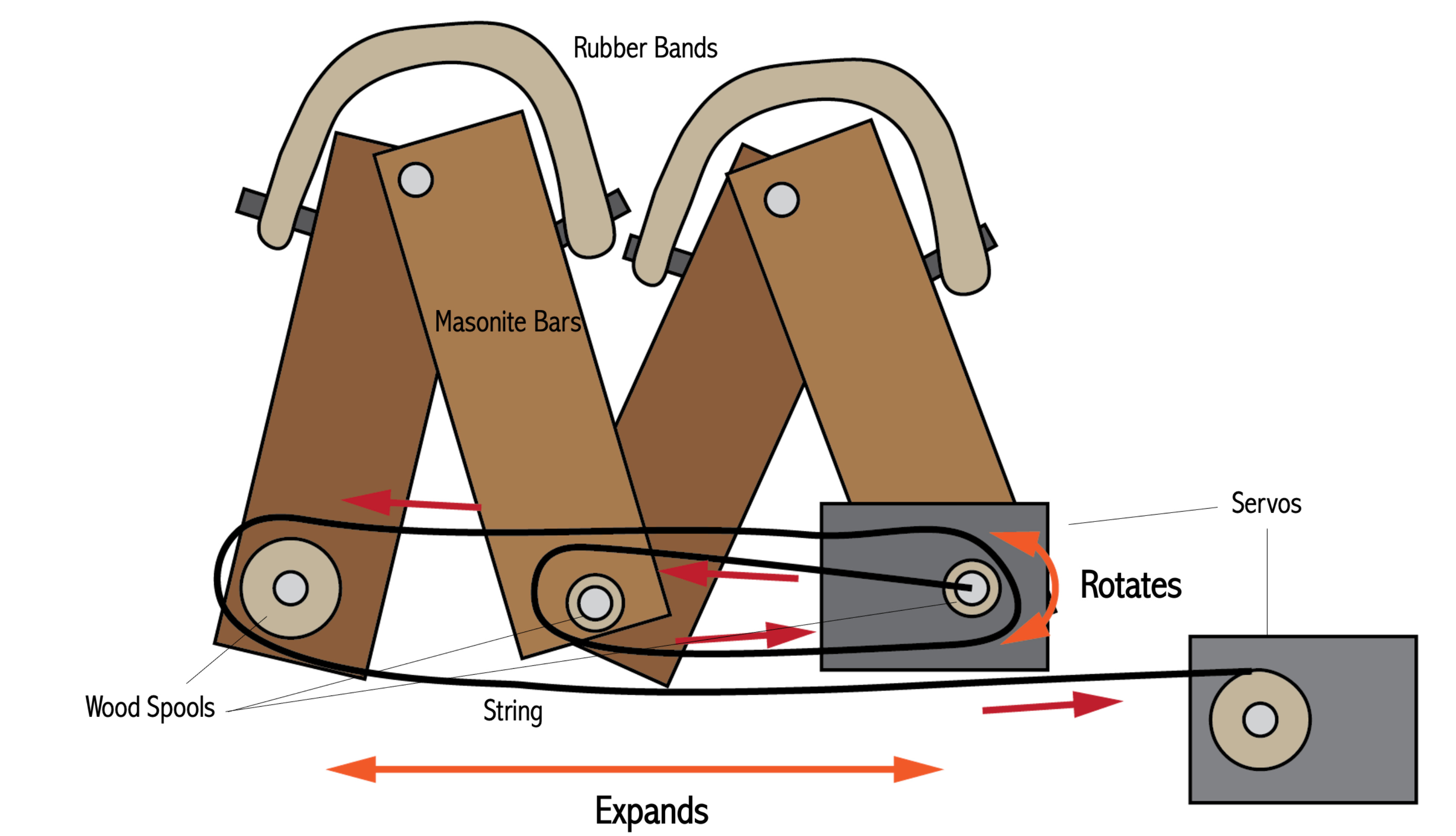
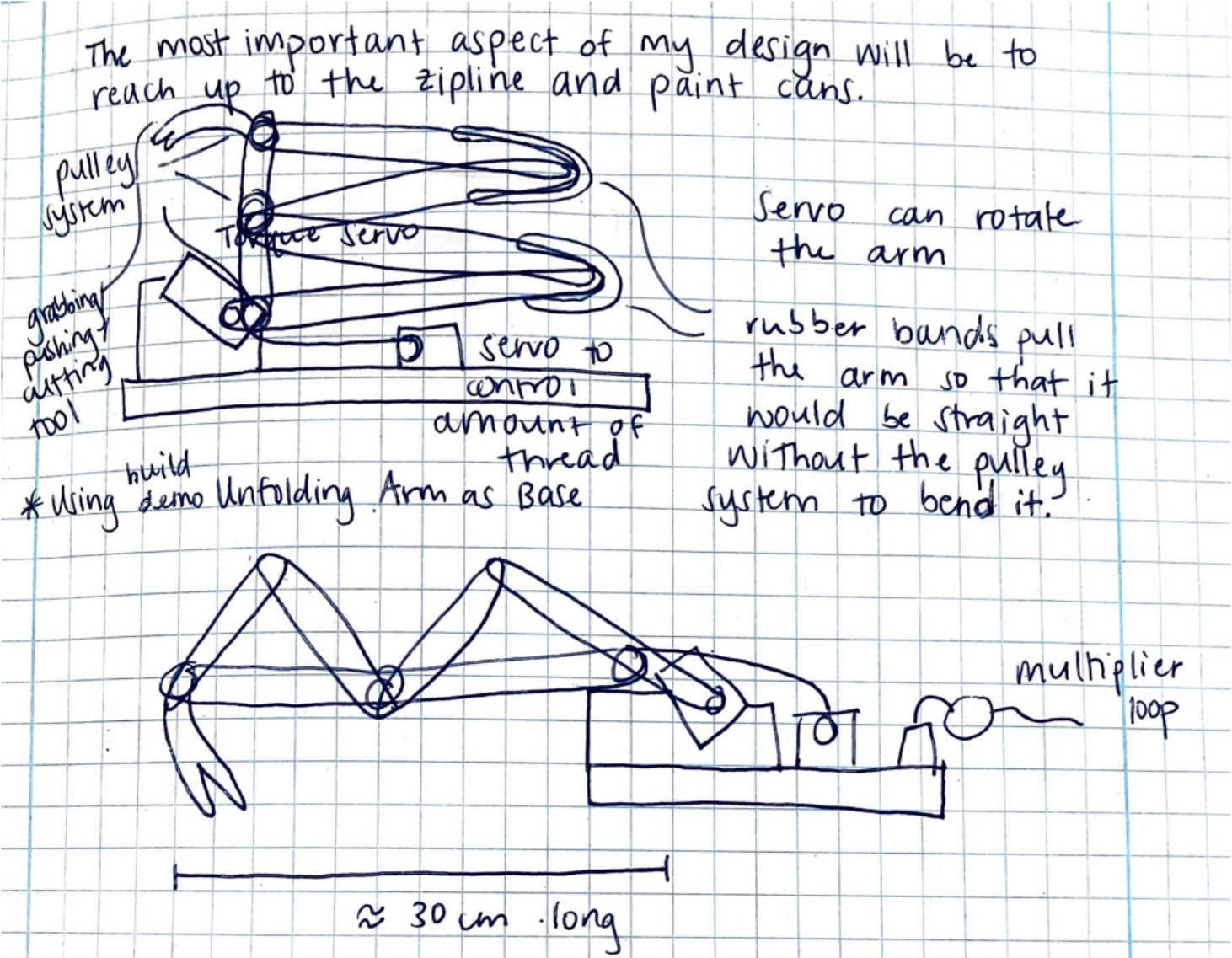
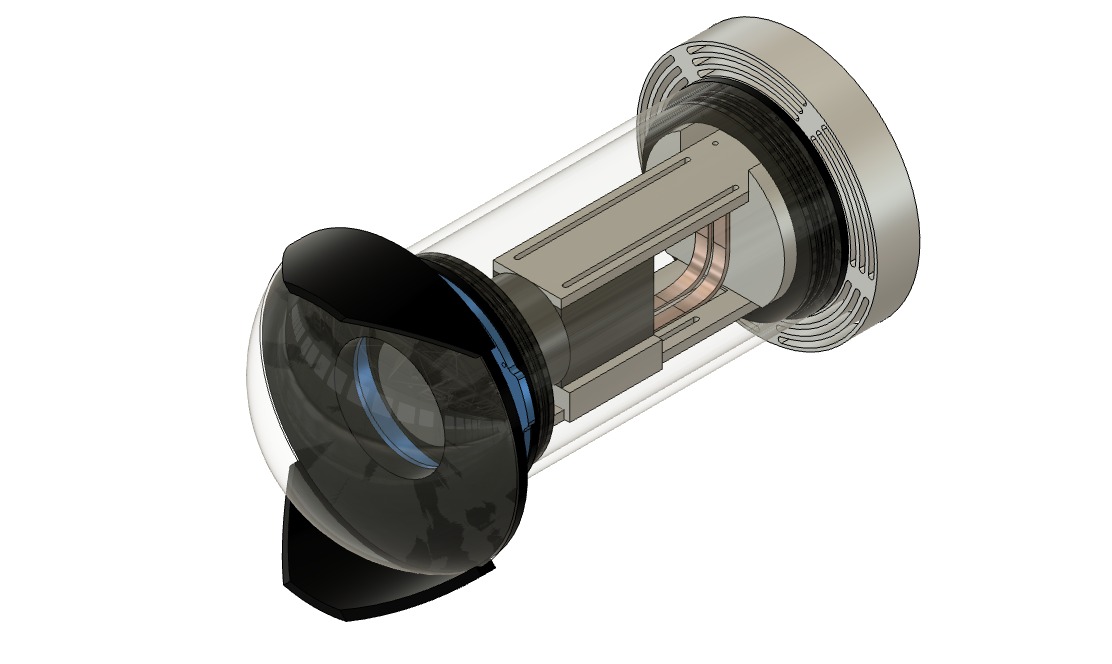
High-tolerance mechanism design for instruments, devices, and assemblies where microns matter. Compliant mechanisms, linkages, and electromechanical systems built to perform.
02

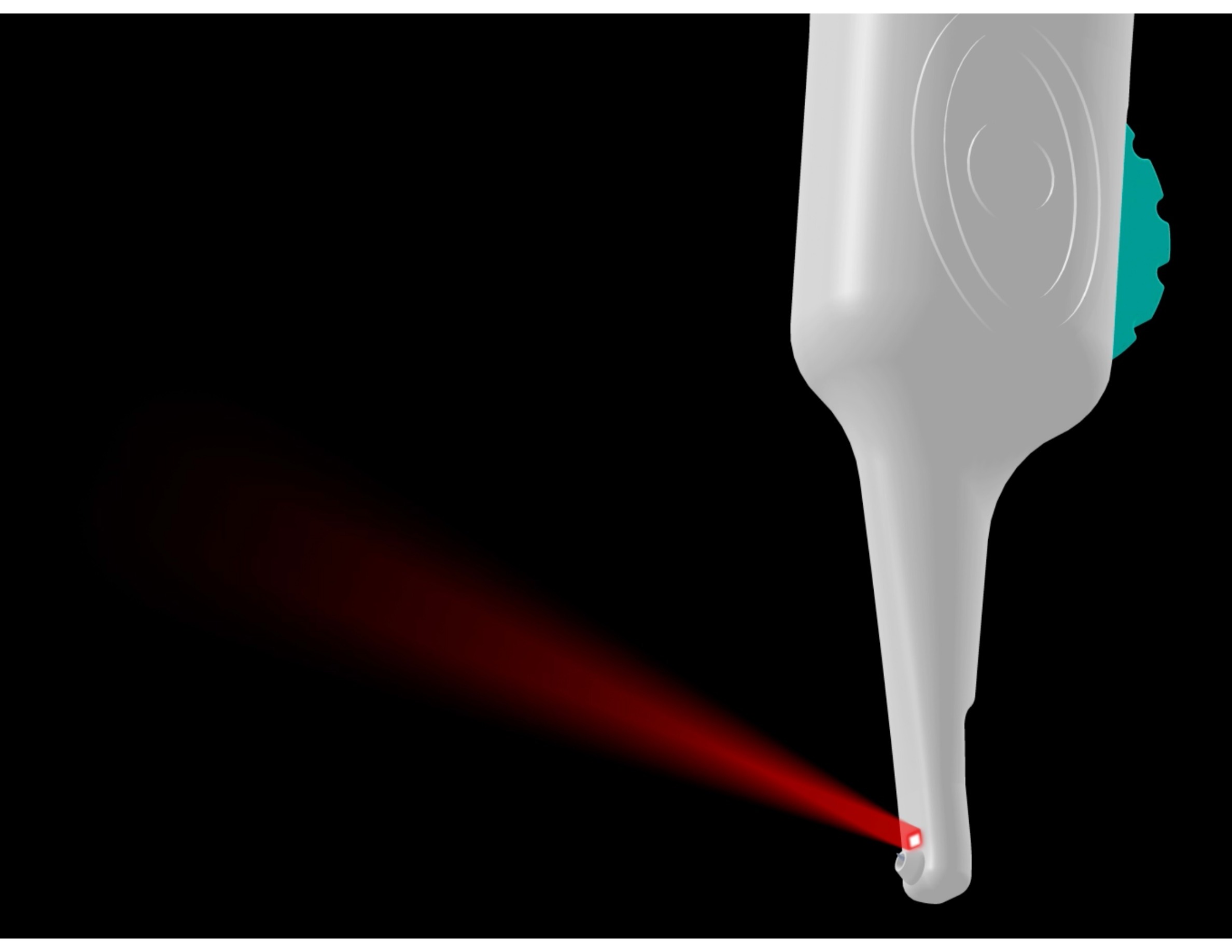
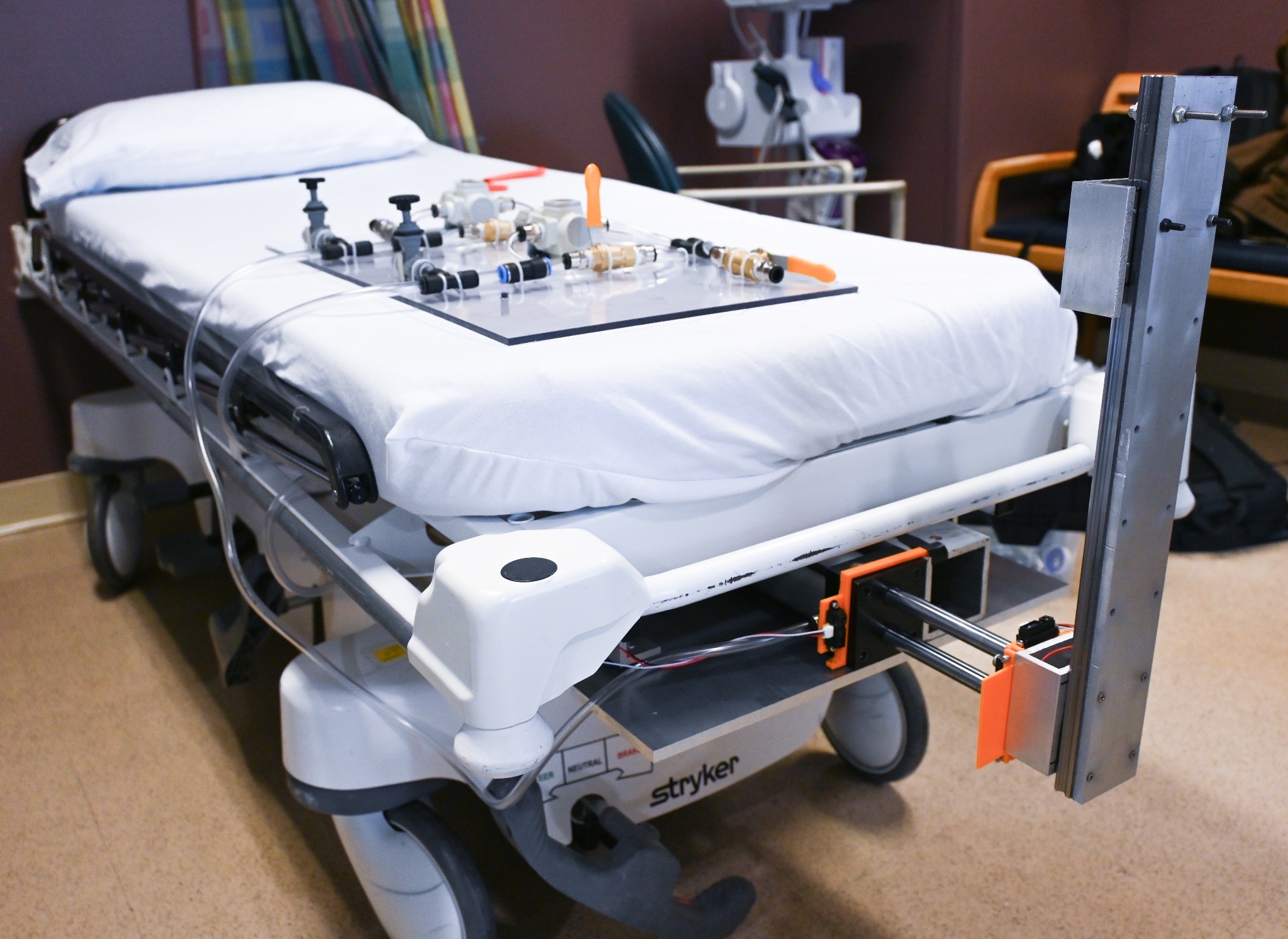
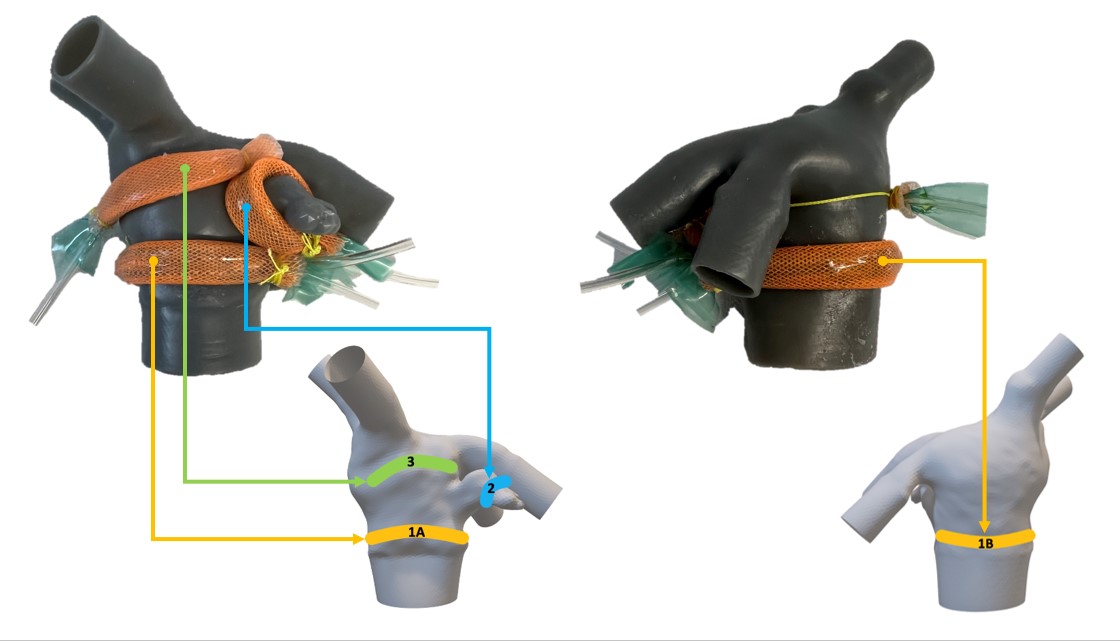
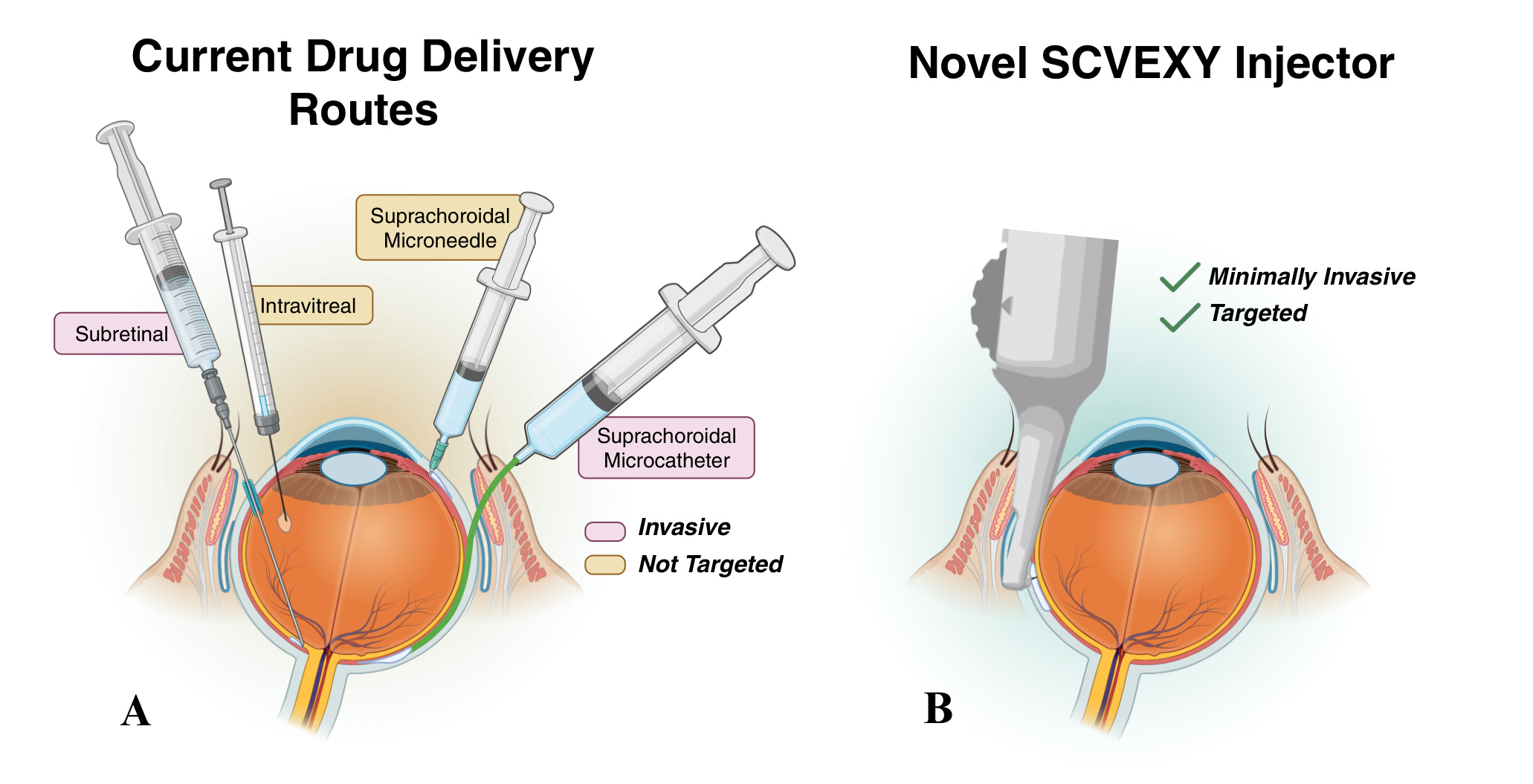
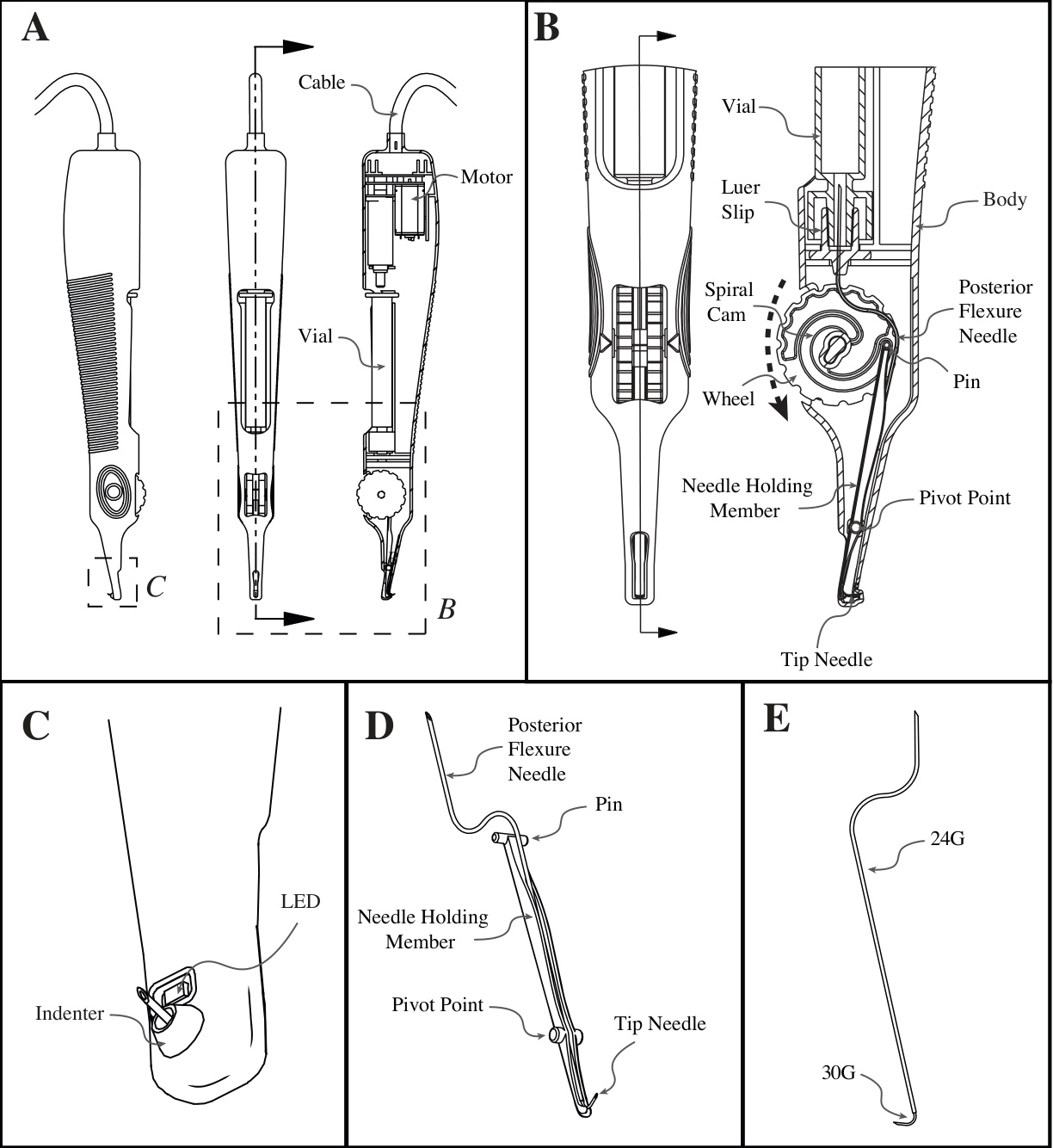
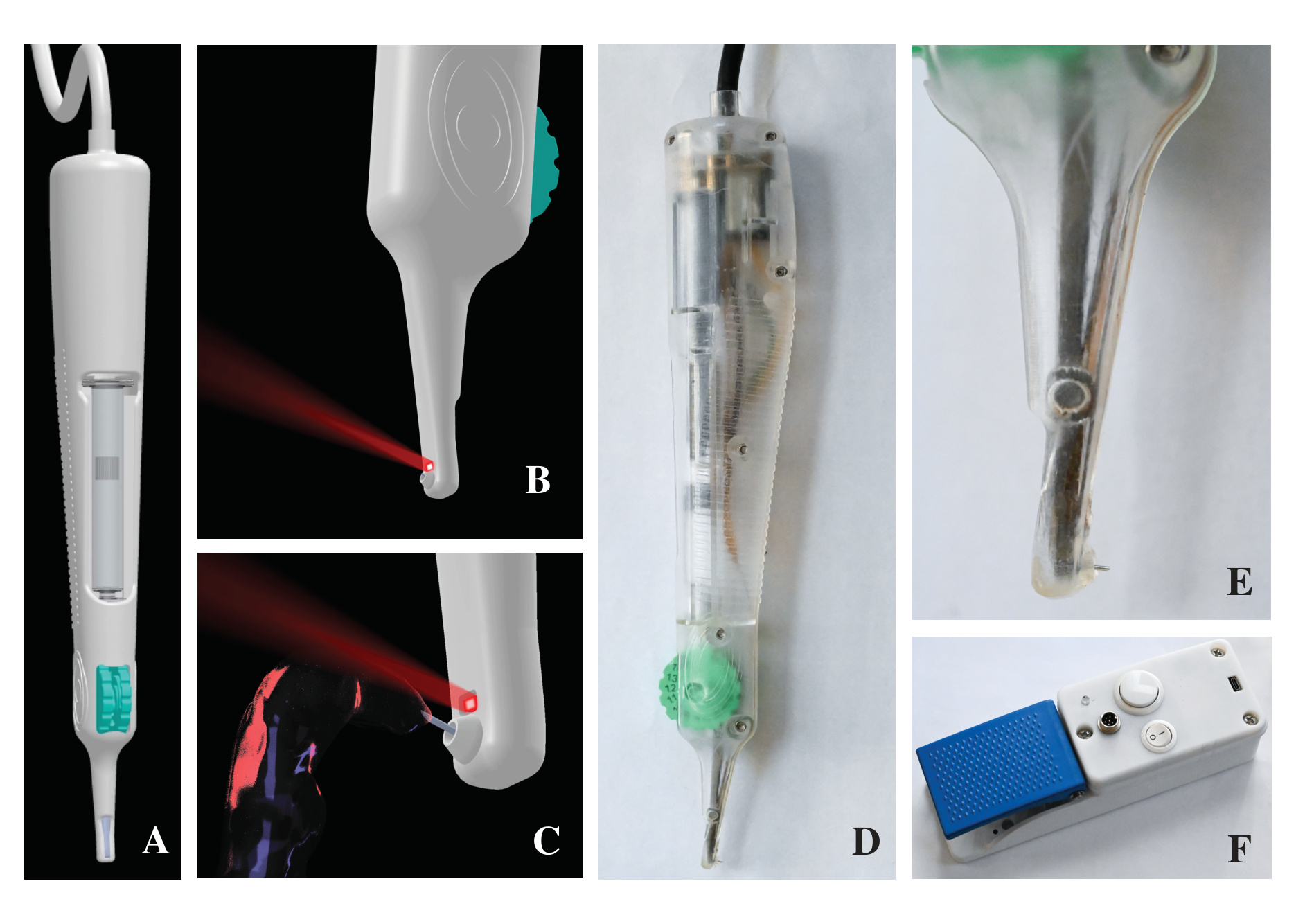
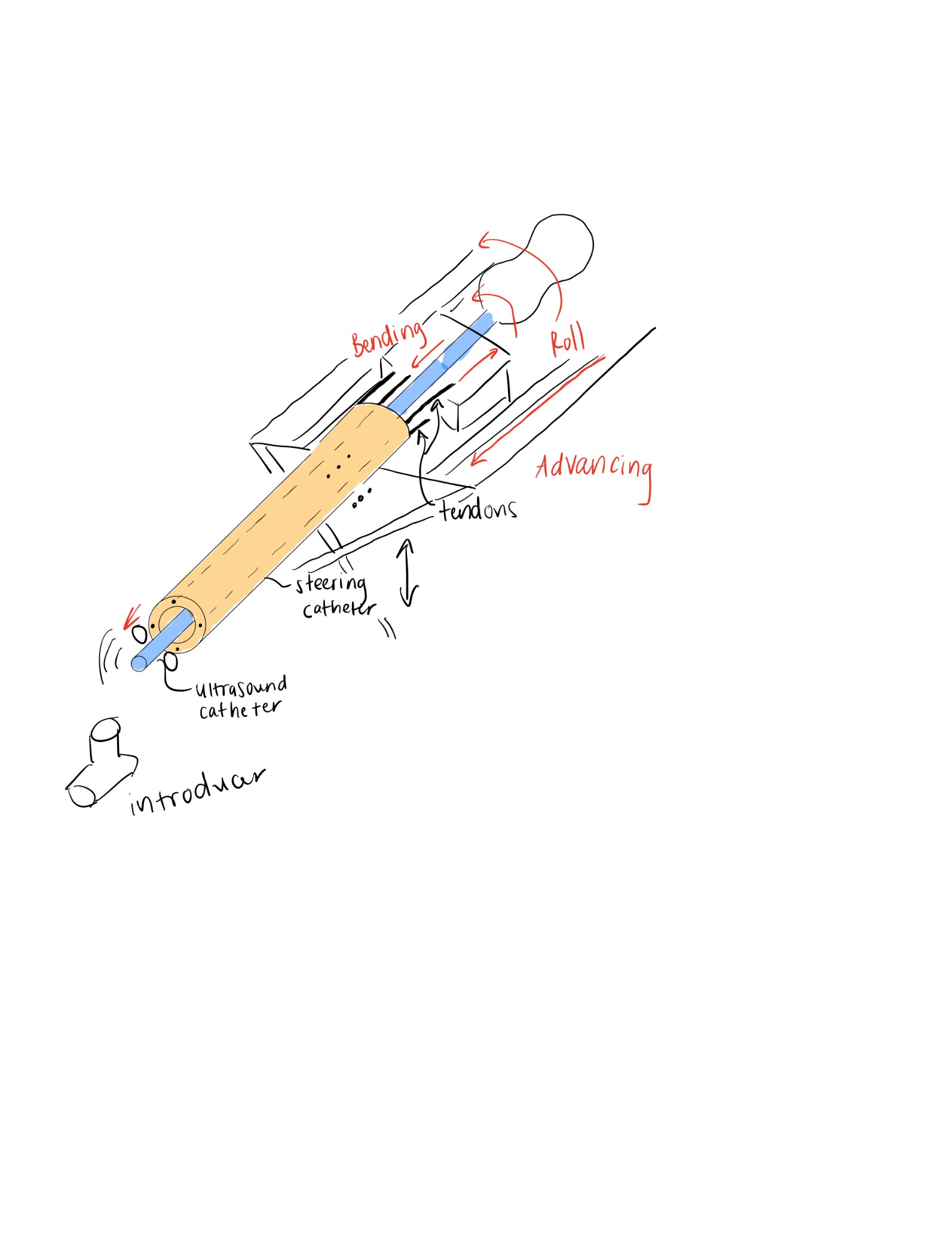
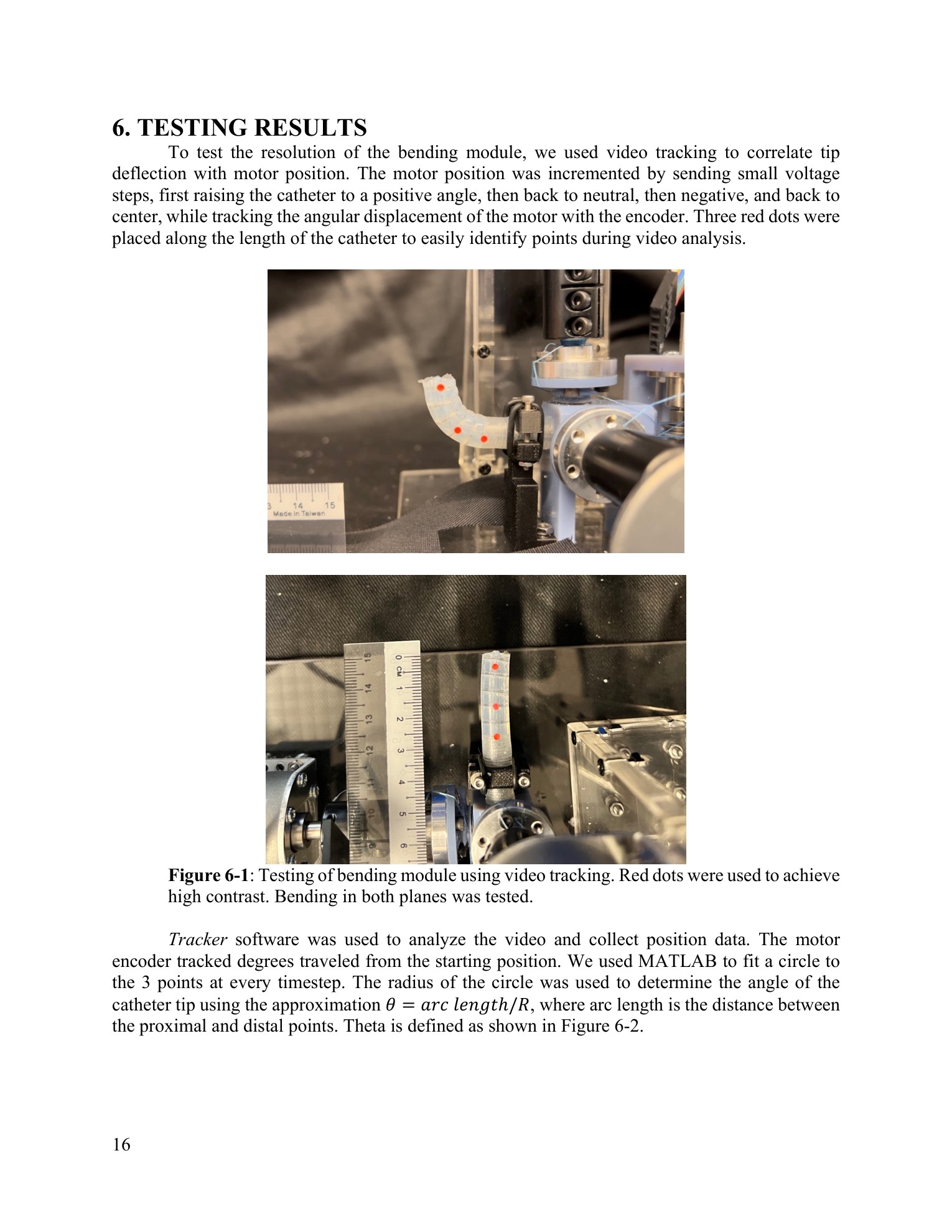
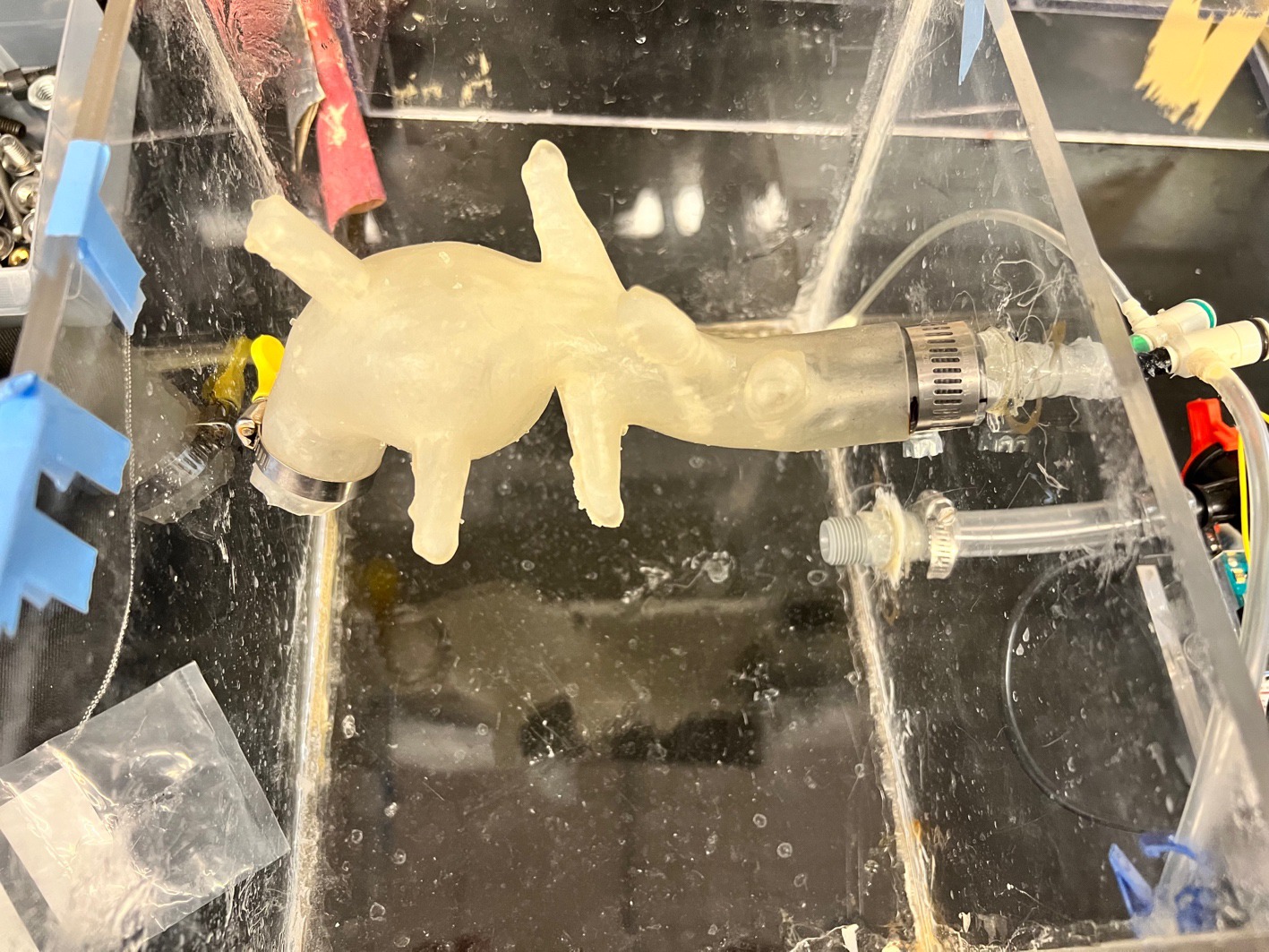
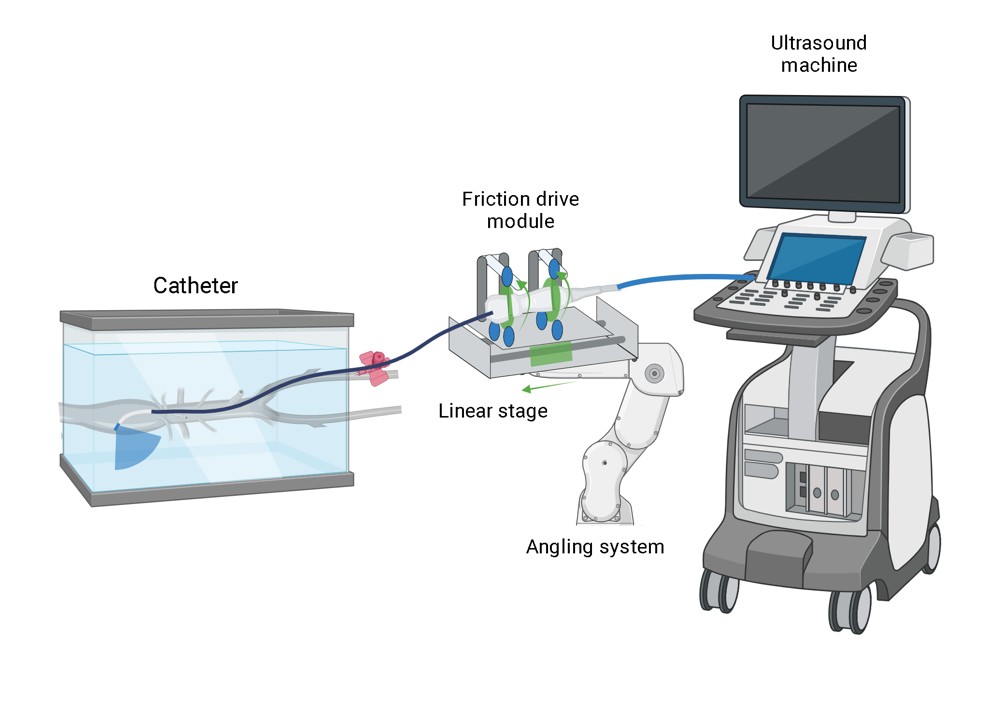
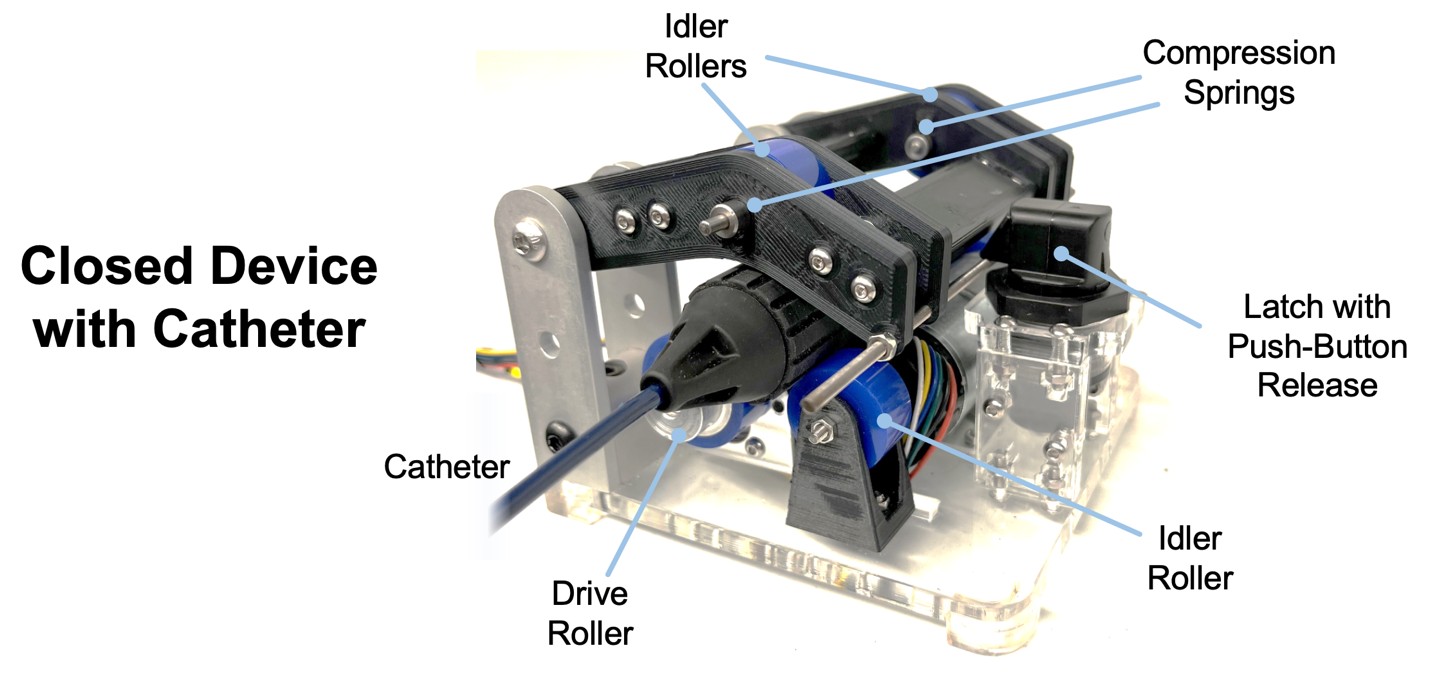
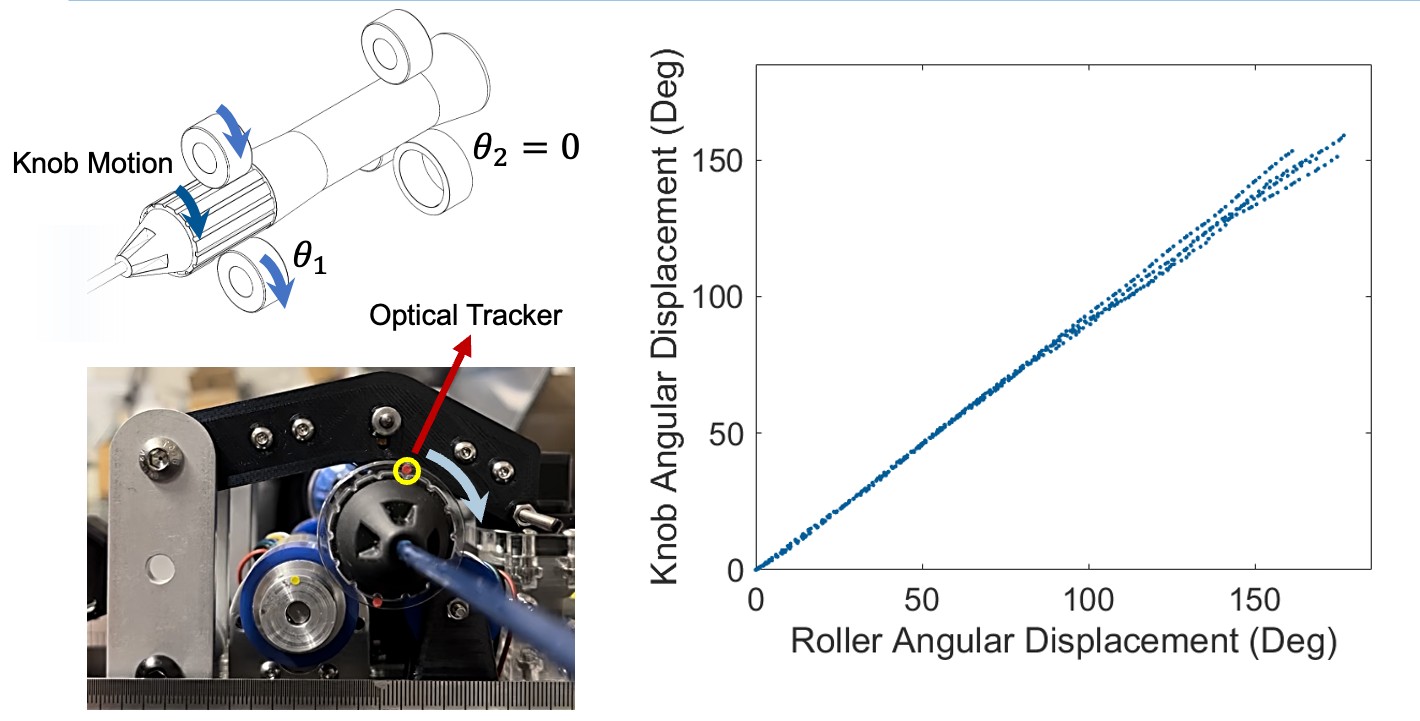
Medical Device Development
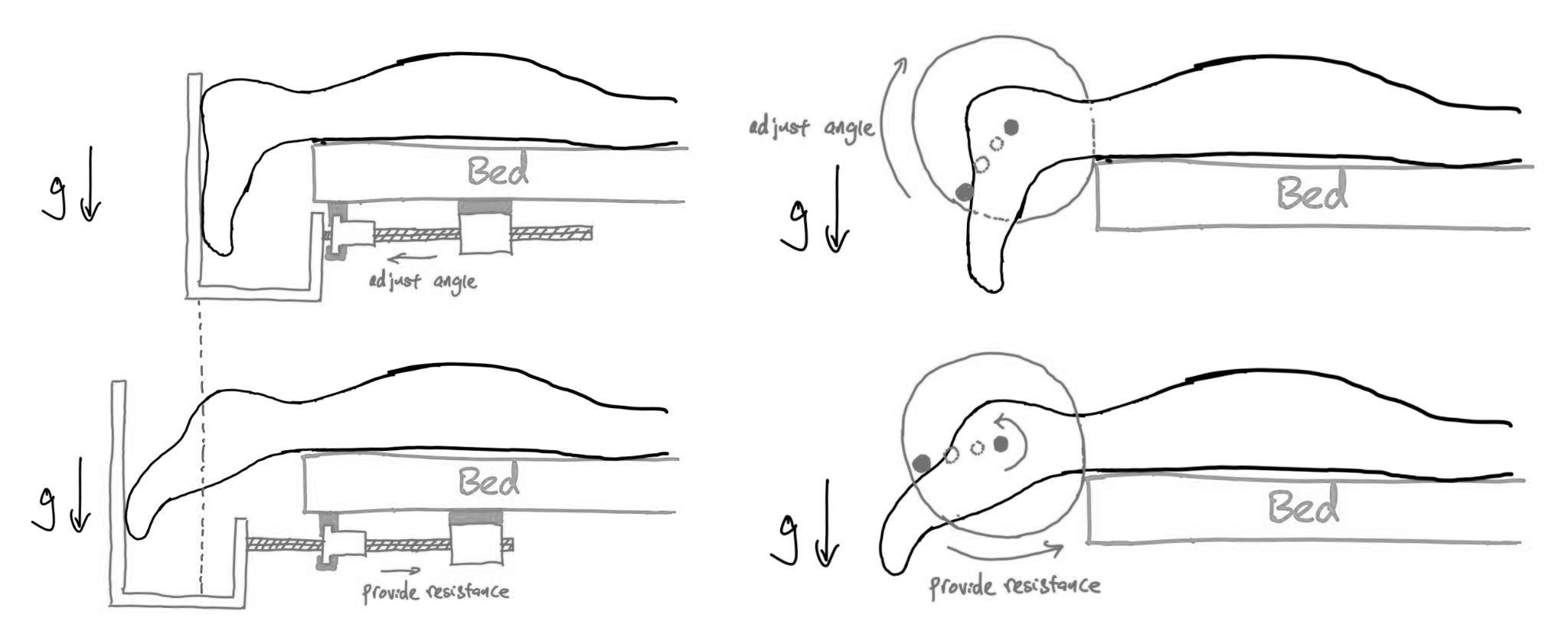
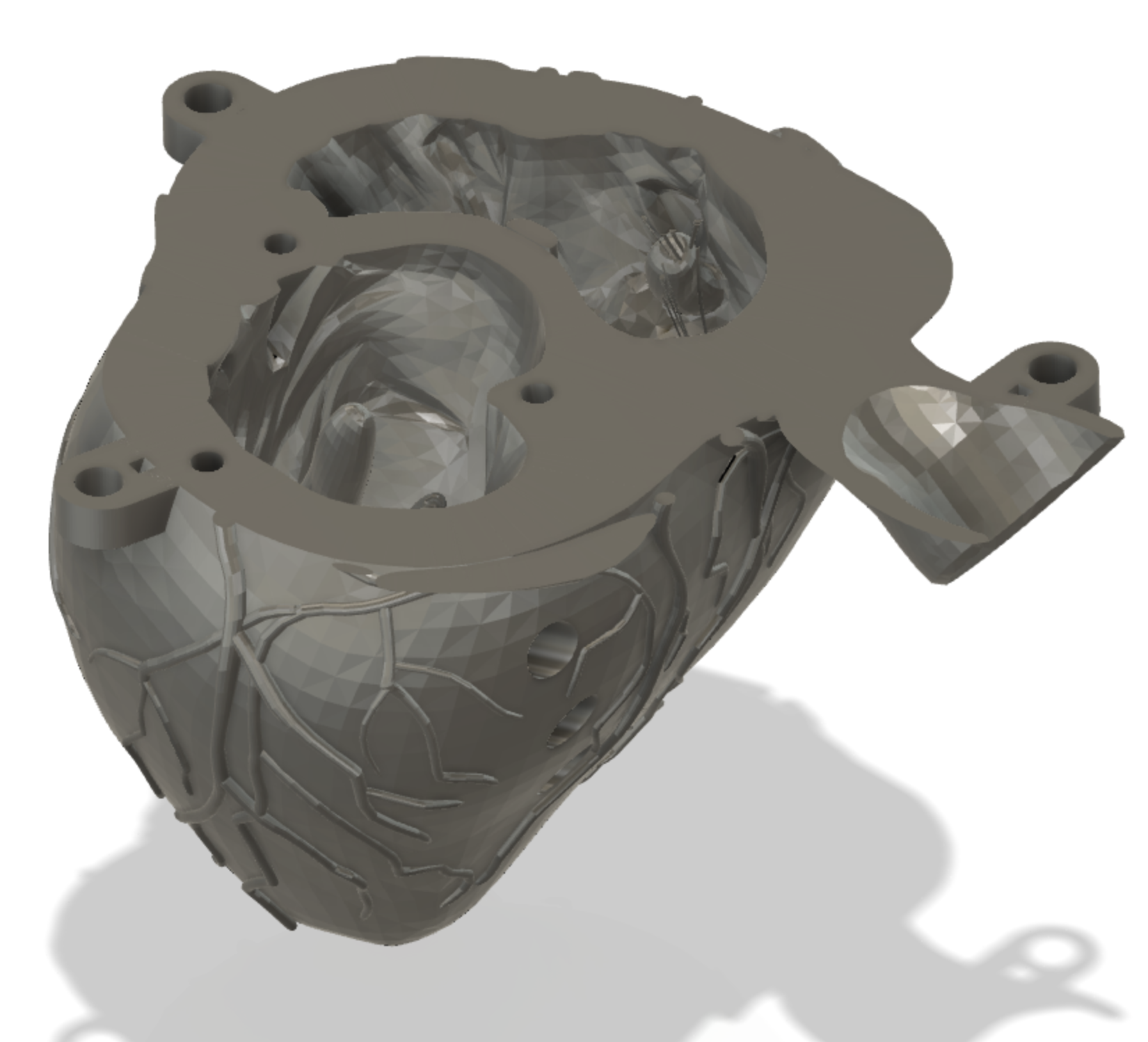
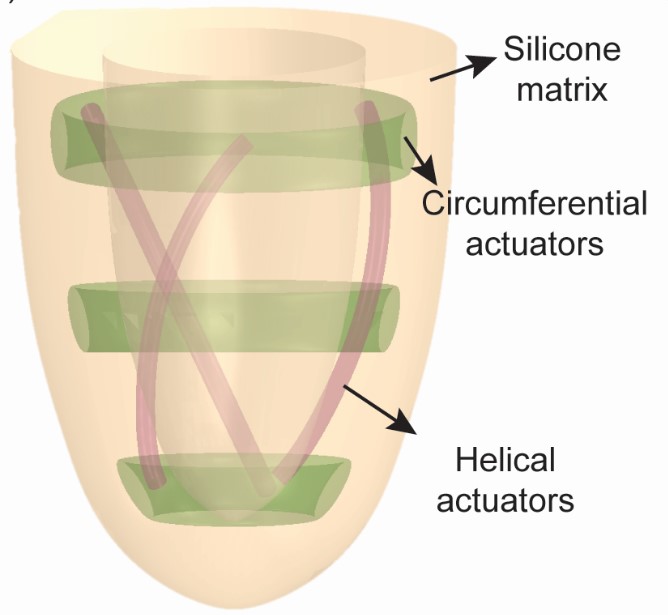
Concept through clinical use — including surgical instruments, diagnostic tools, and implantable systems. Experience with IDE/IRB submissions, preclinical studies, and surgeon collaboration.
03

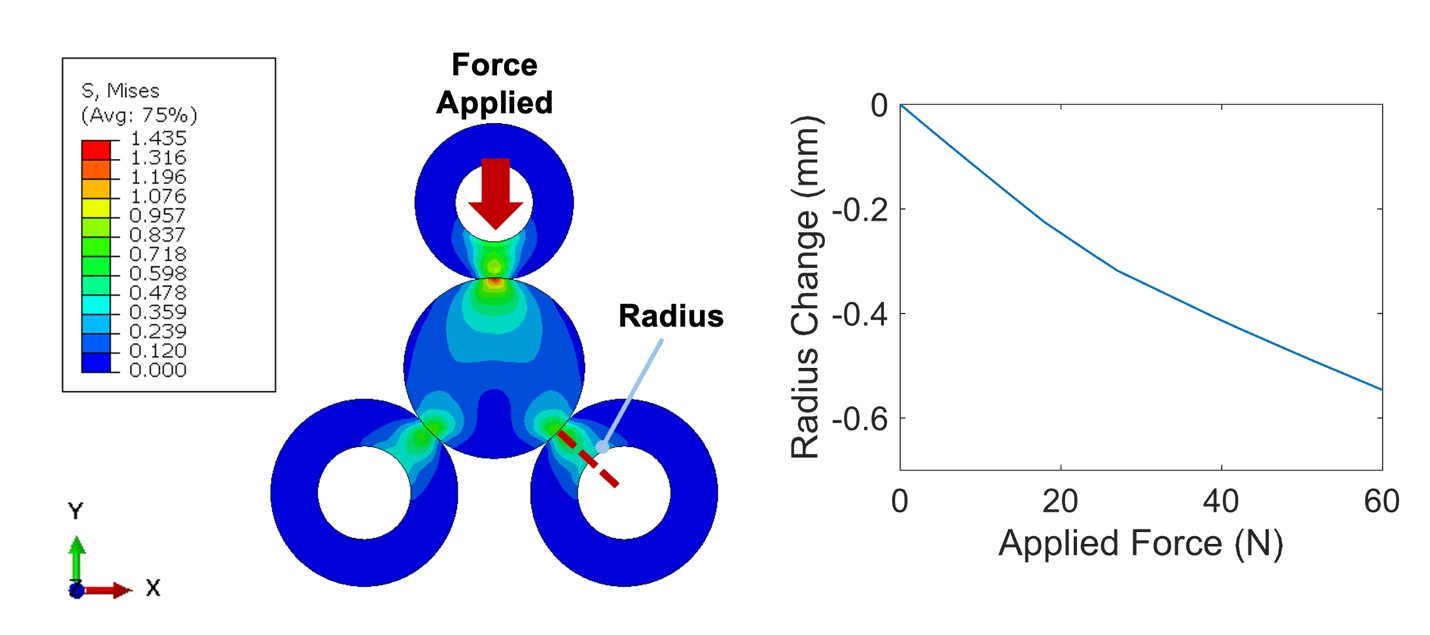
CAD & Simulation
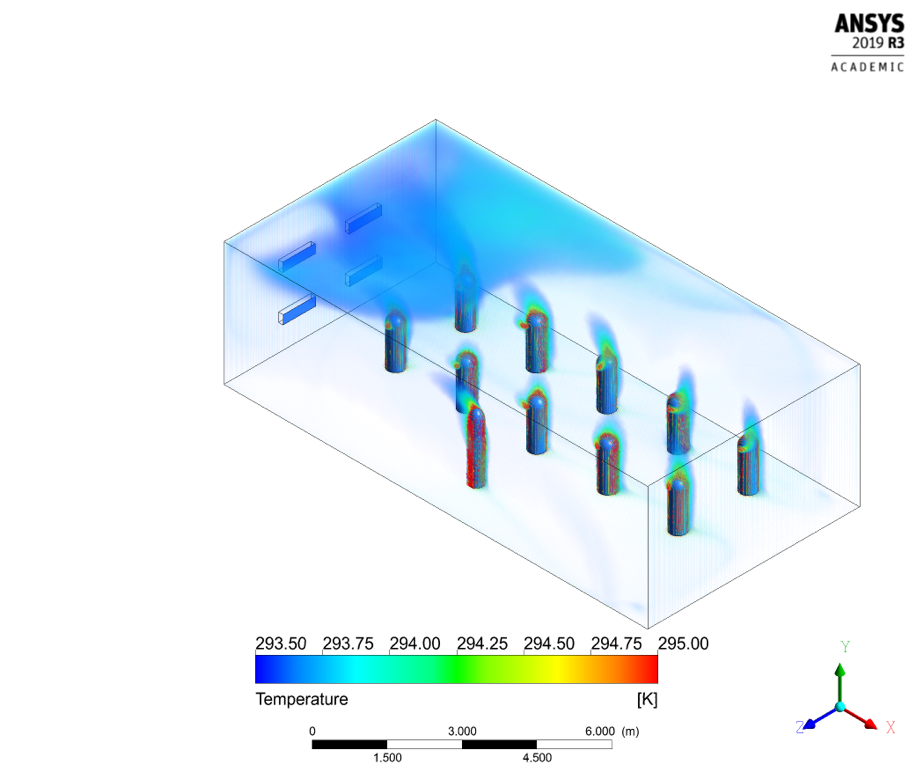
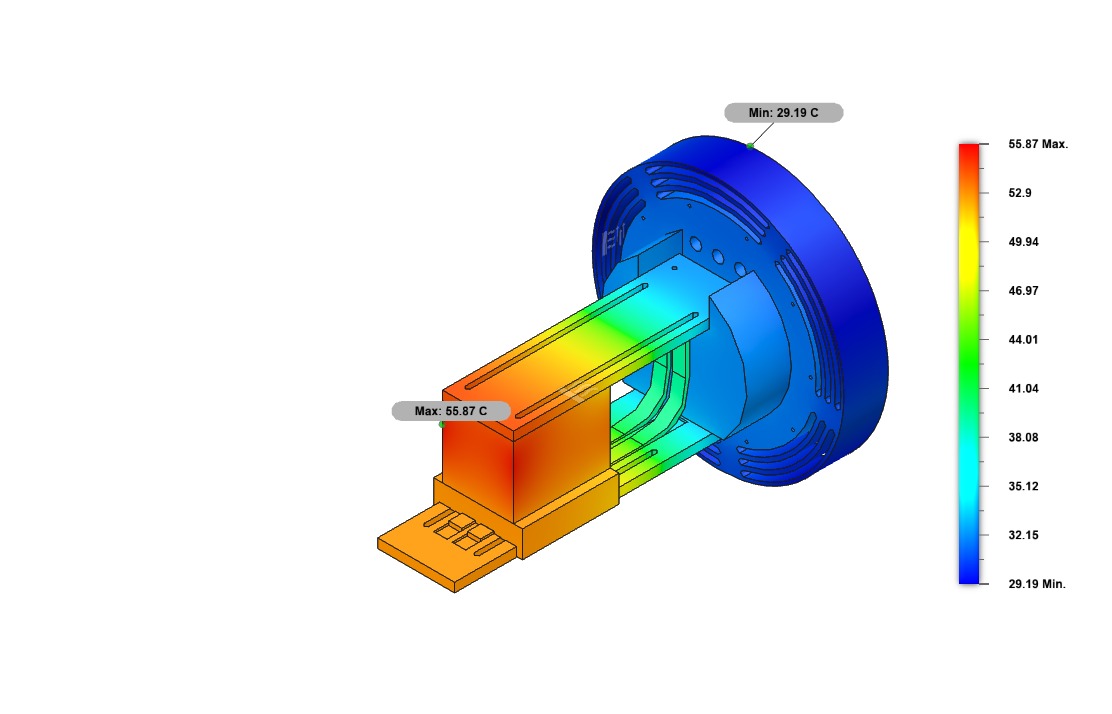
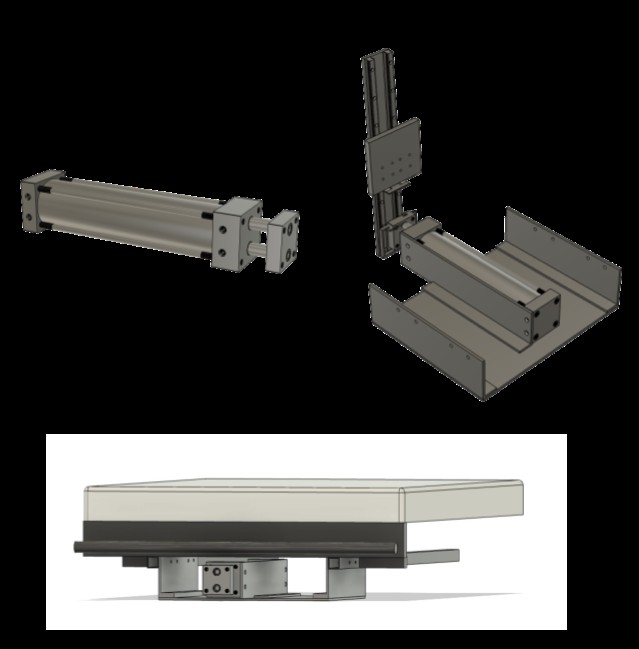
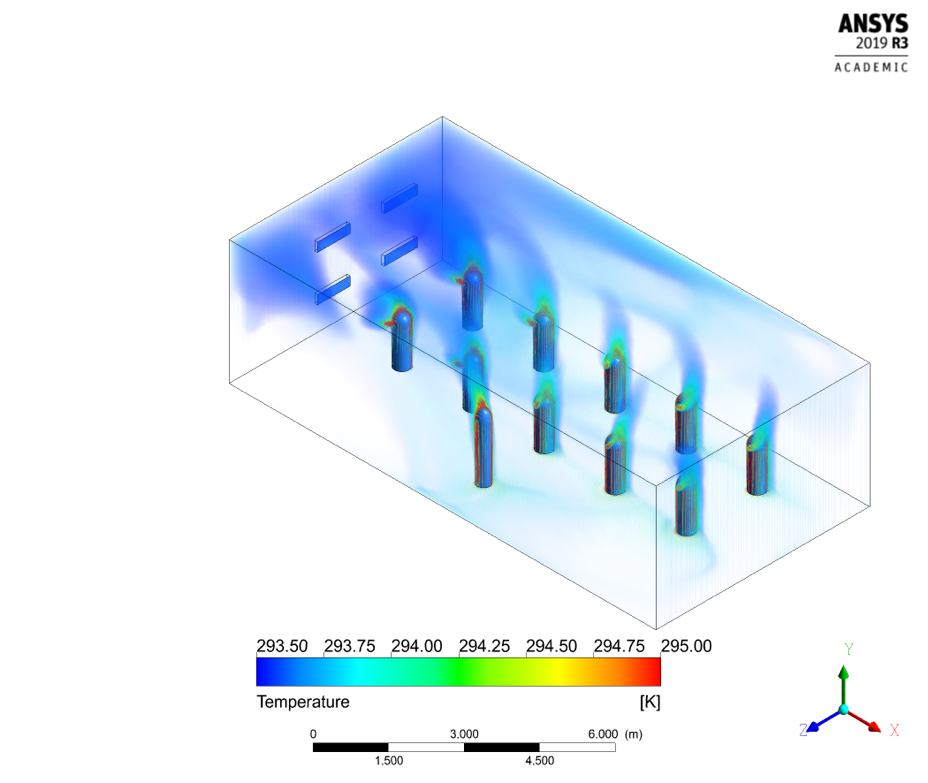
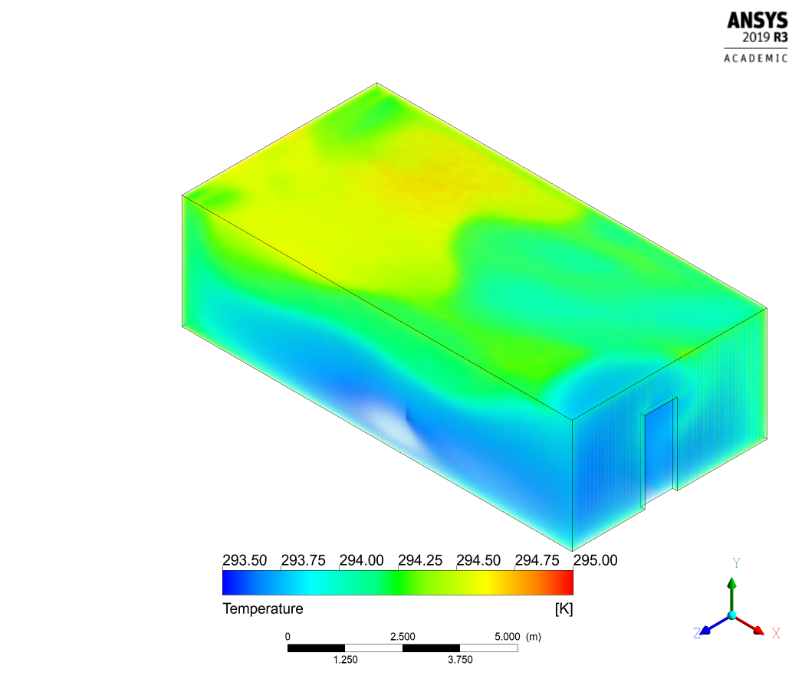
Production-grade modeling in SolidWorks, Fusion 360, and Rhino/Grasshopper. FEA, CFD, and tolerance analysis to validate designs before cutting metal.
04

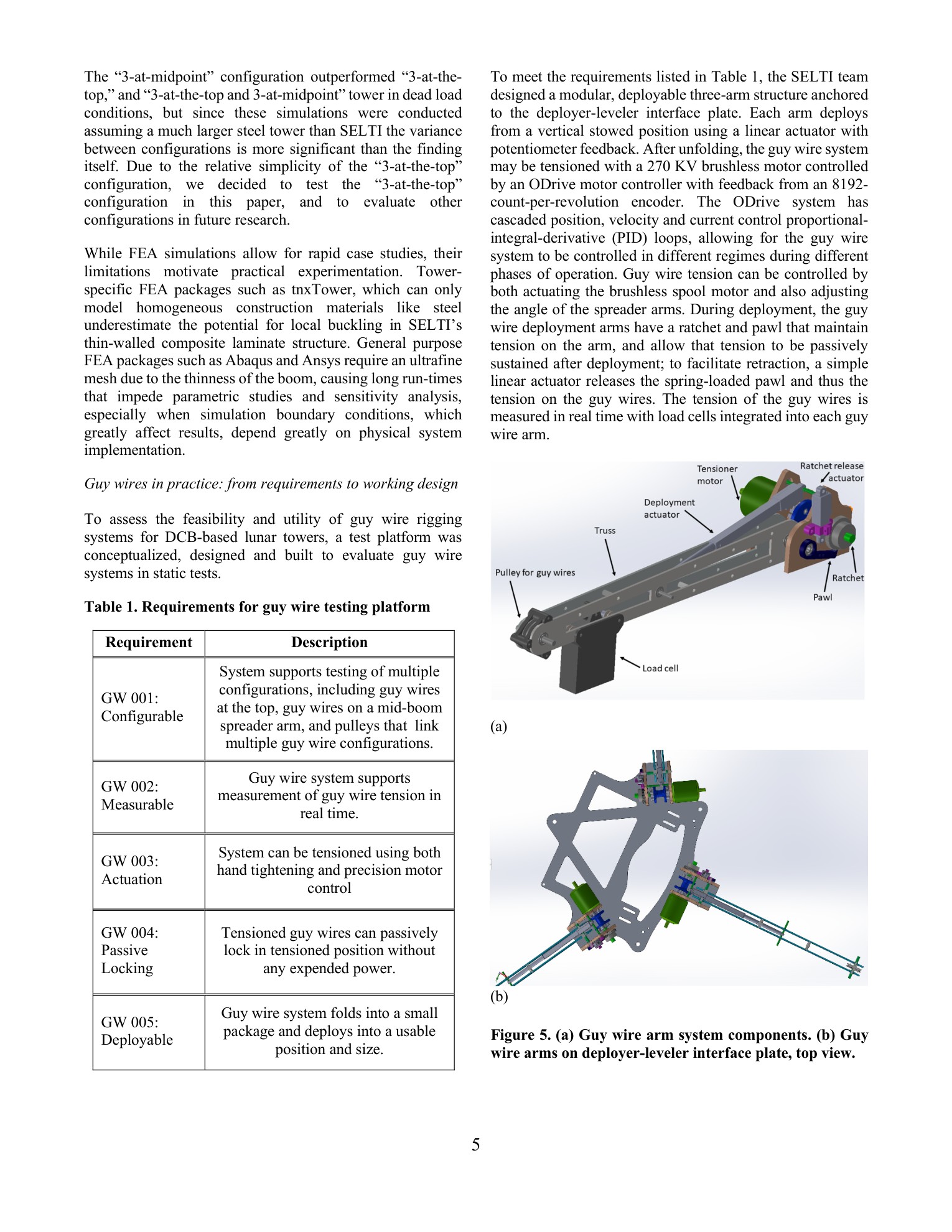
Prototyping & Manufacturing
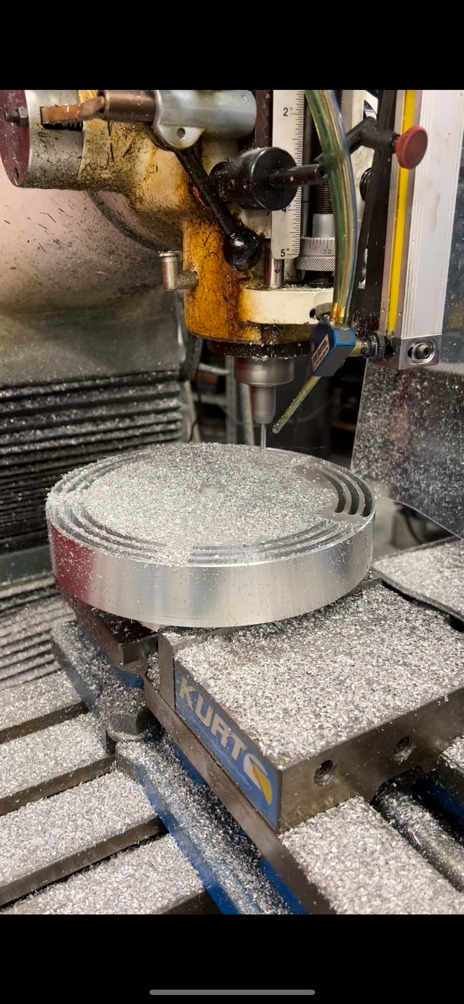
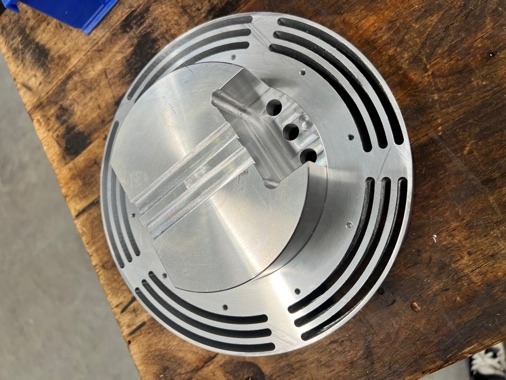
Hands-on fabrication using CNC mill, lathe, waterjet, laser cutter, and 3D printing. DFM-optimized designs that transition cleanly from prototype to production.
05

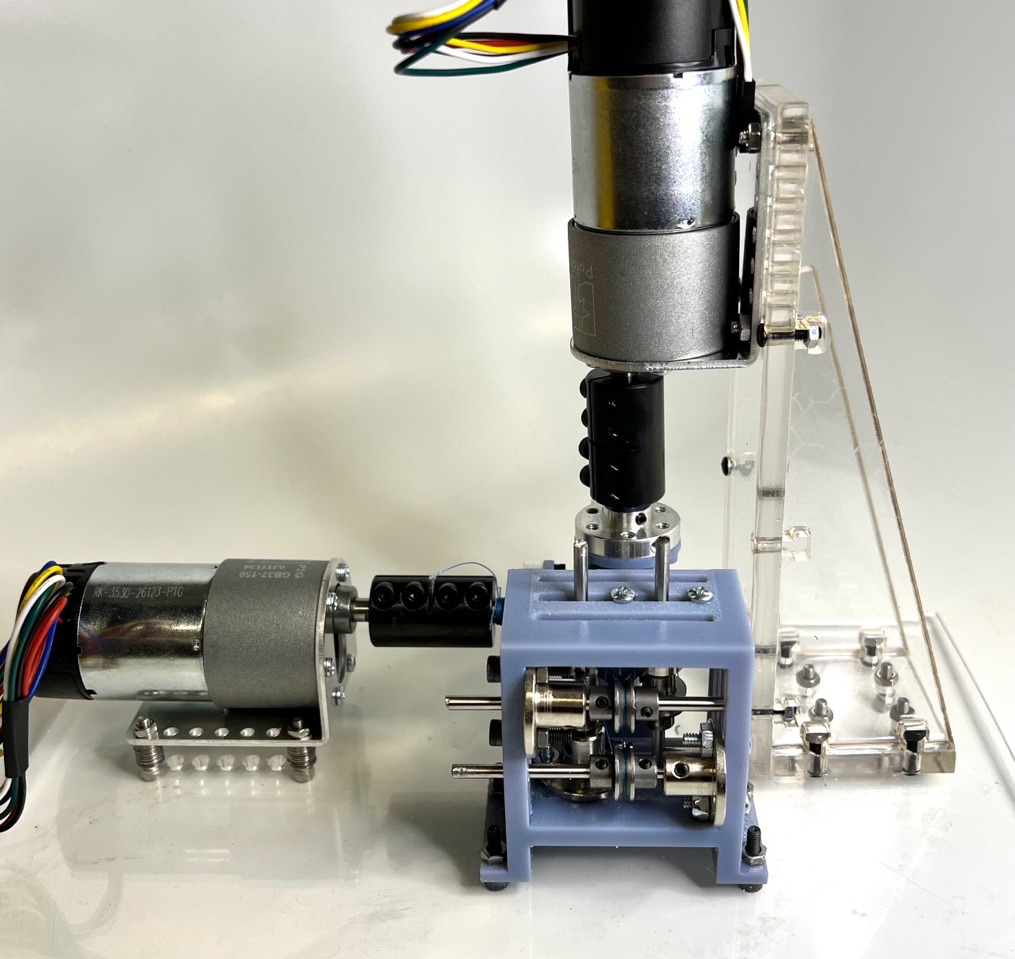
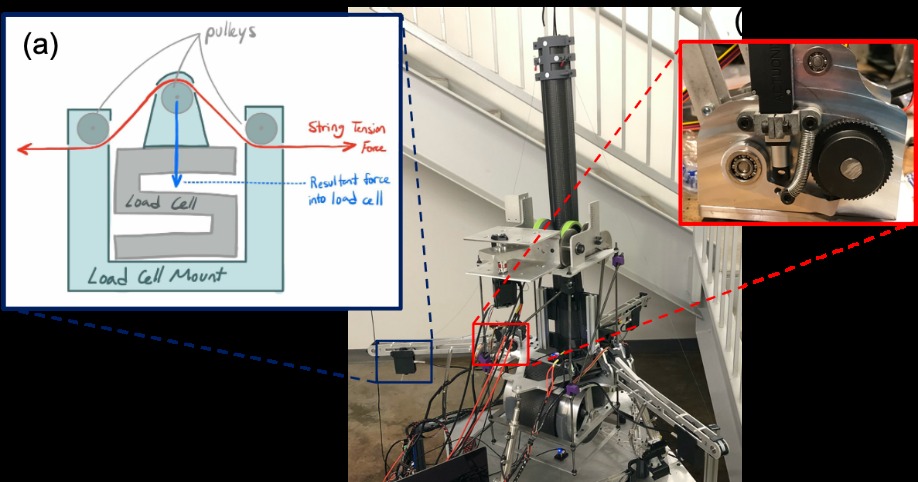
Electronics & Controls
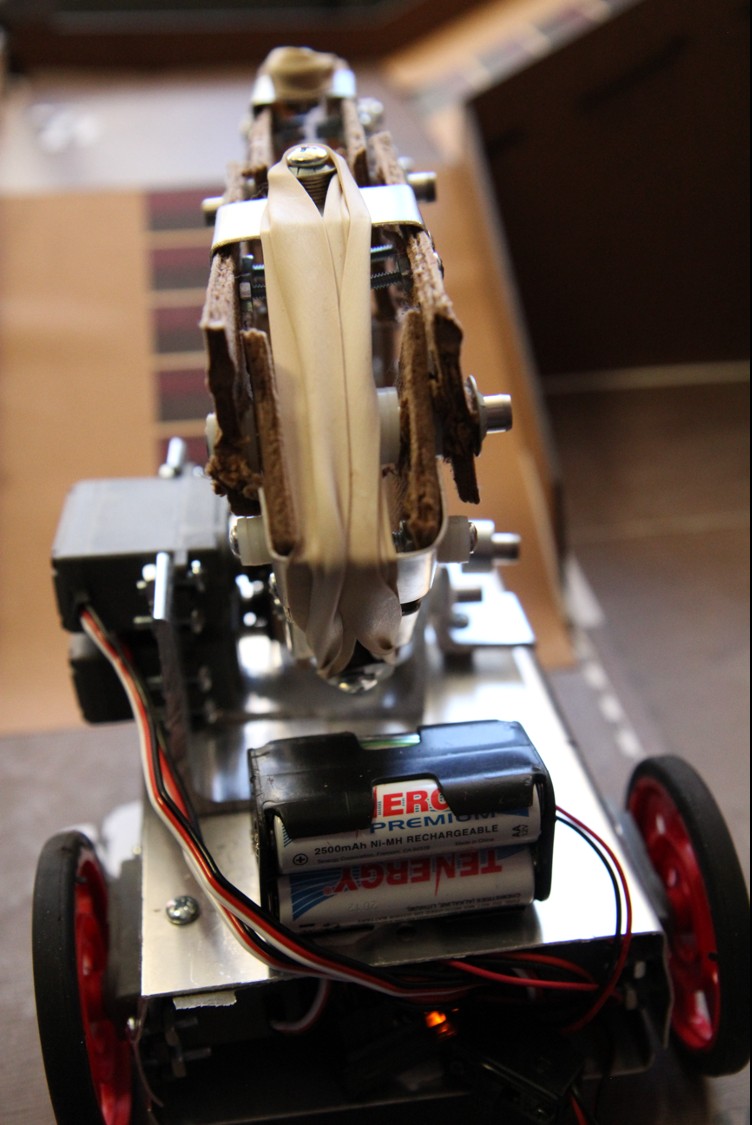
Integrated electromechanical systems with Arduino, sensors, motor control, and custom GUIs. From load cells and accelerometers to multi-axis actuation.
06

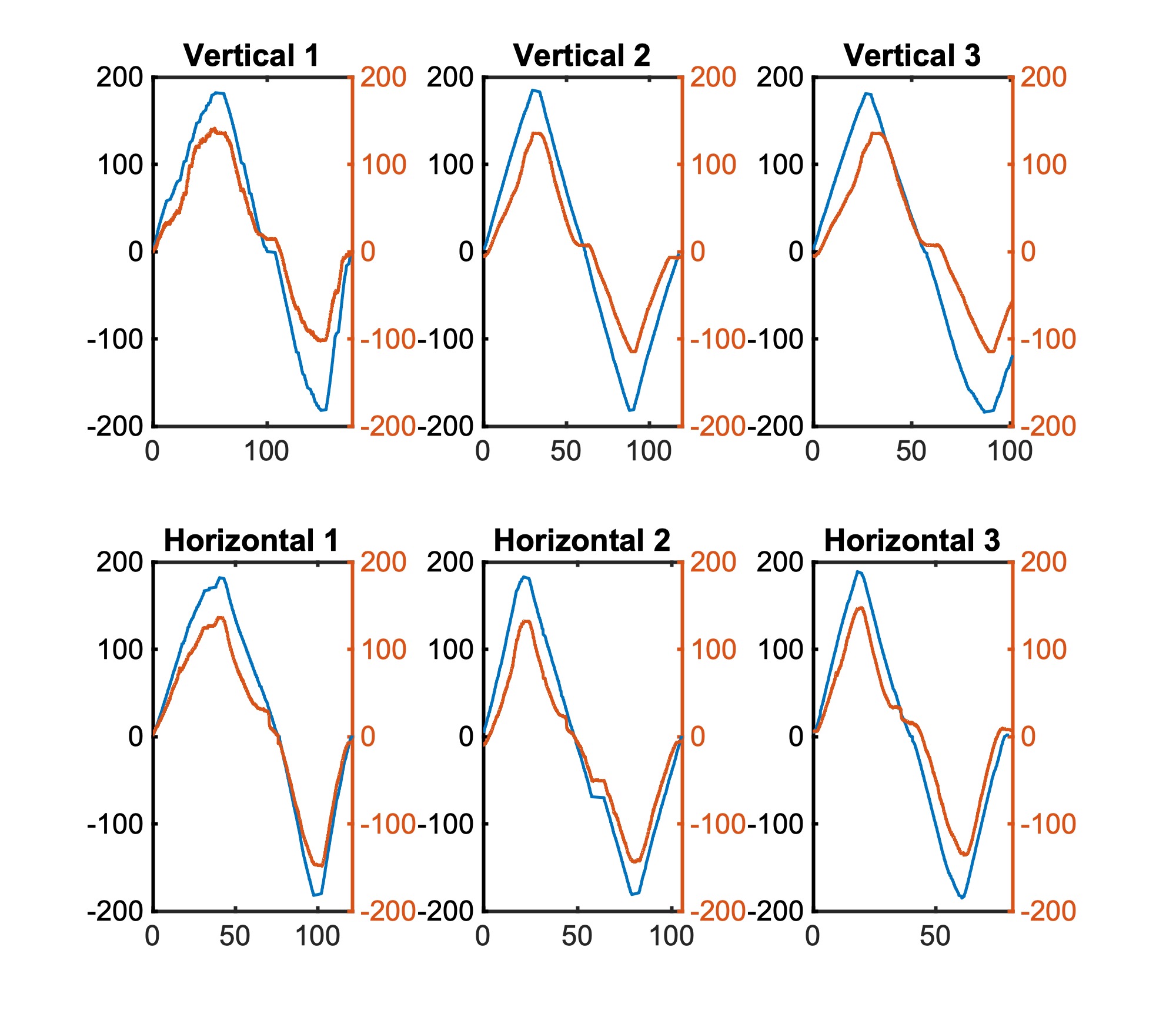
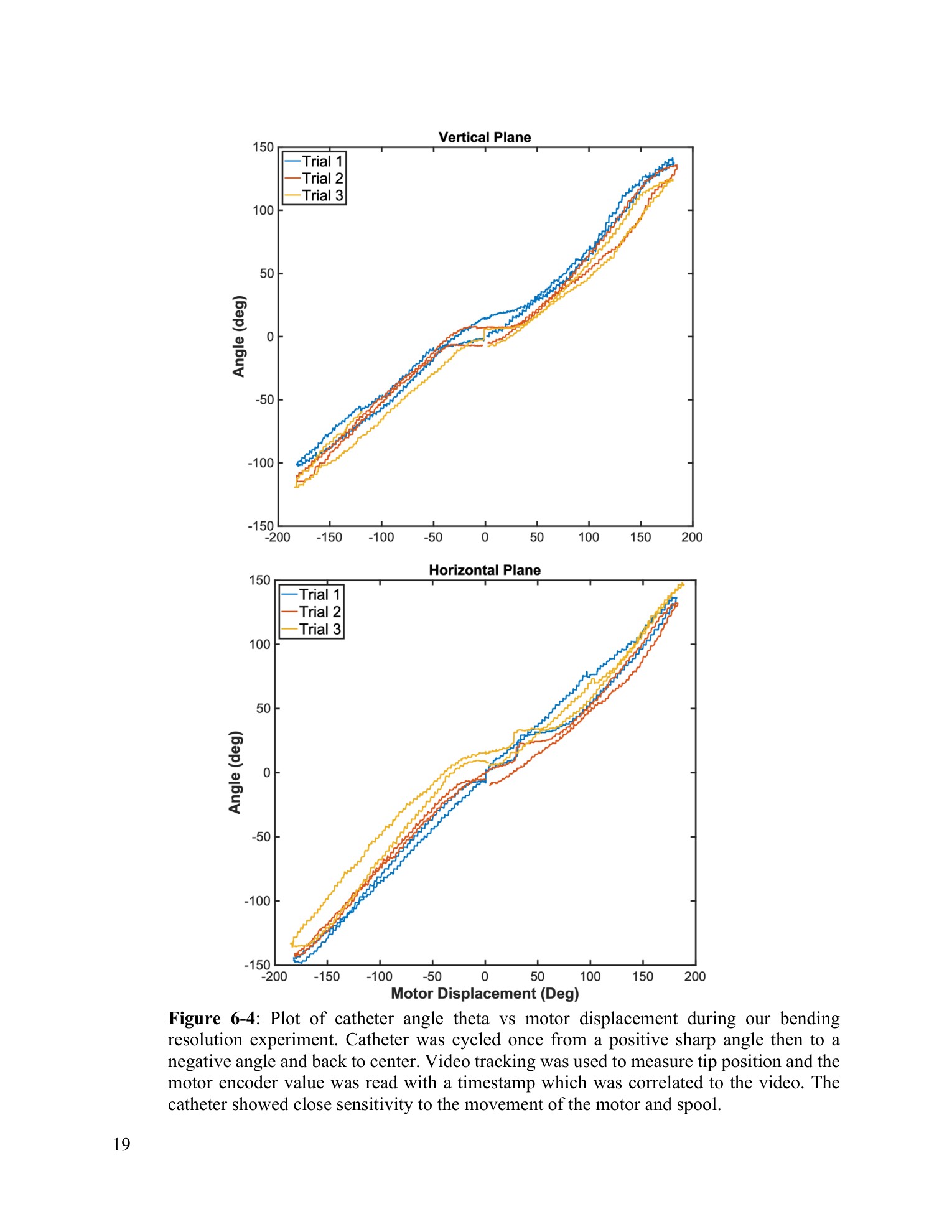
Analysis & Testing
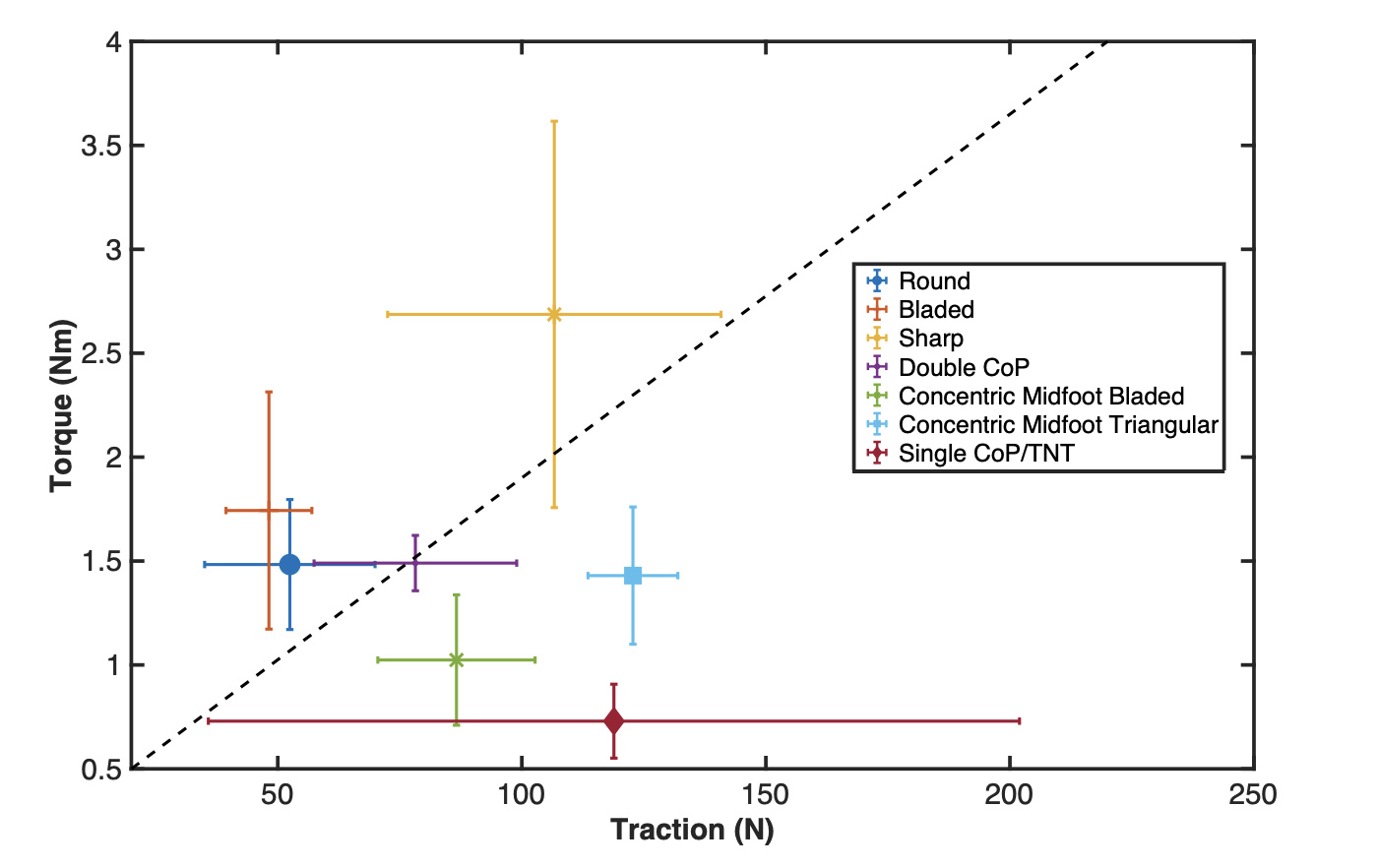
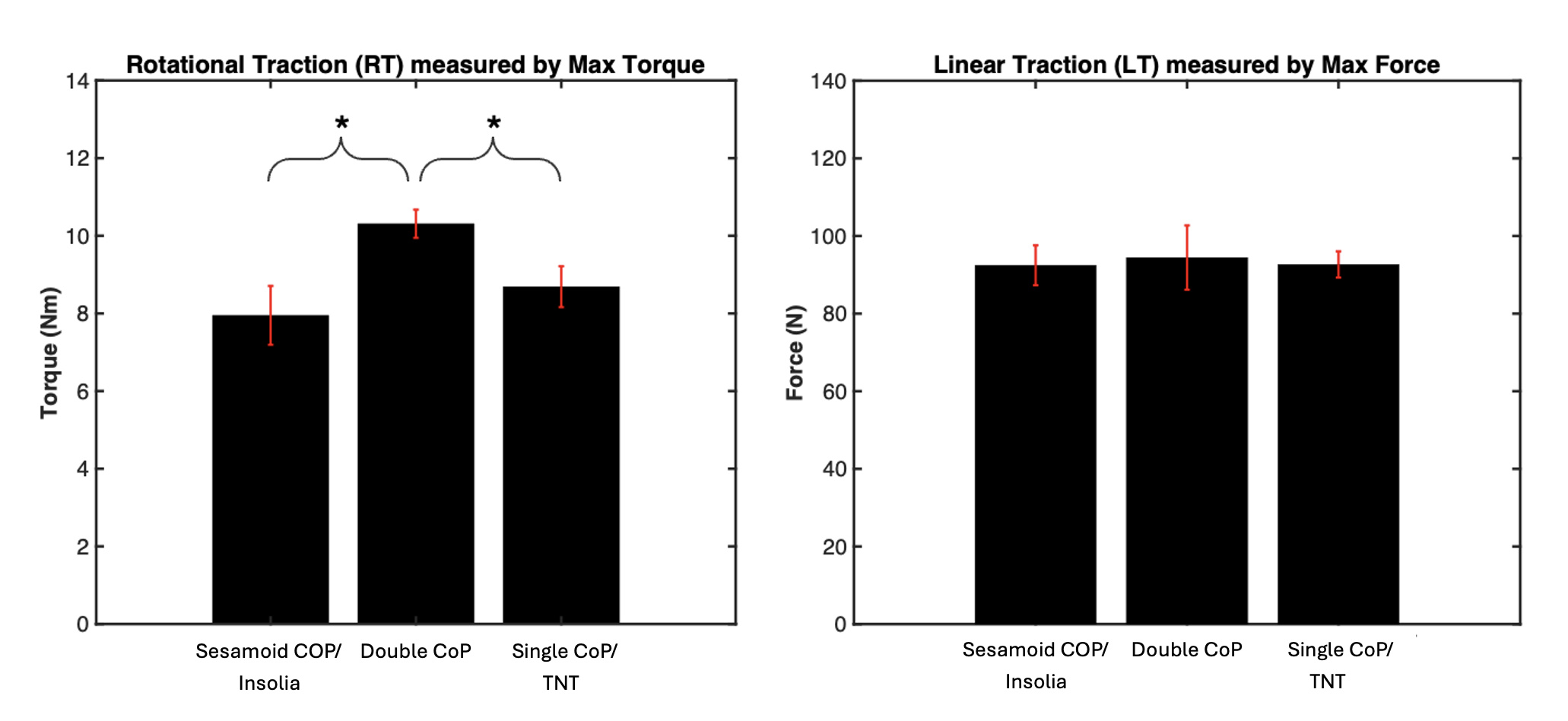
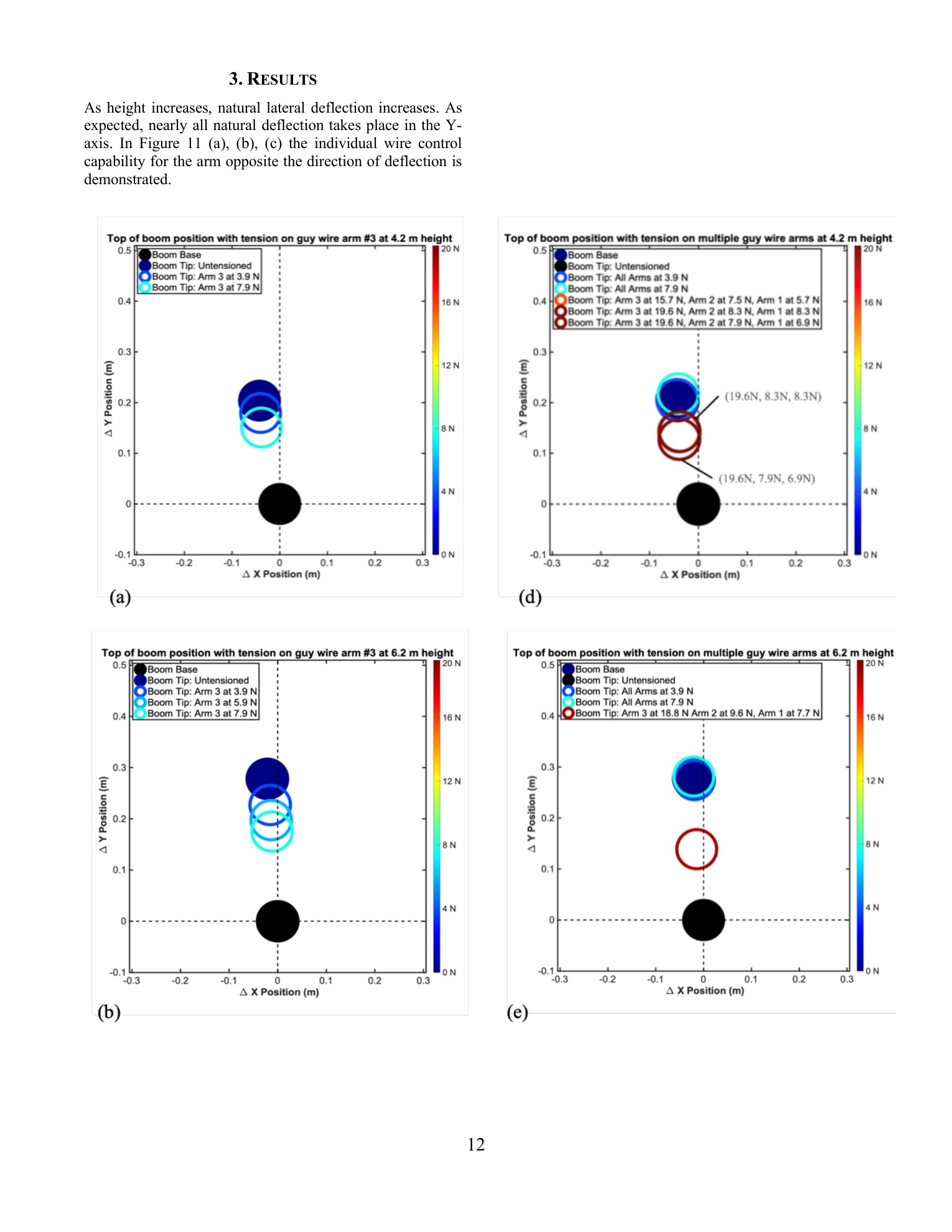
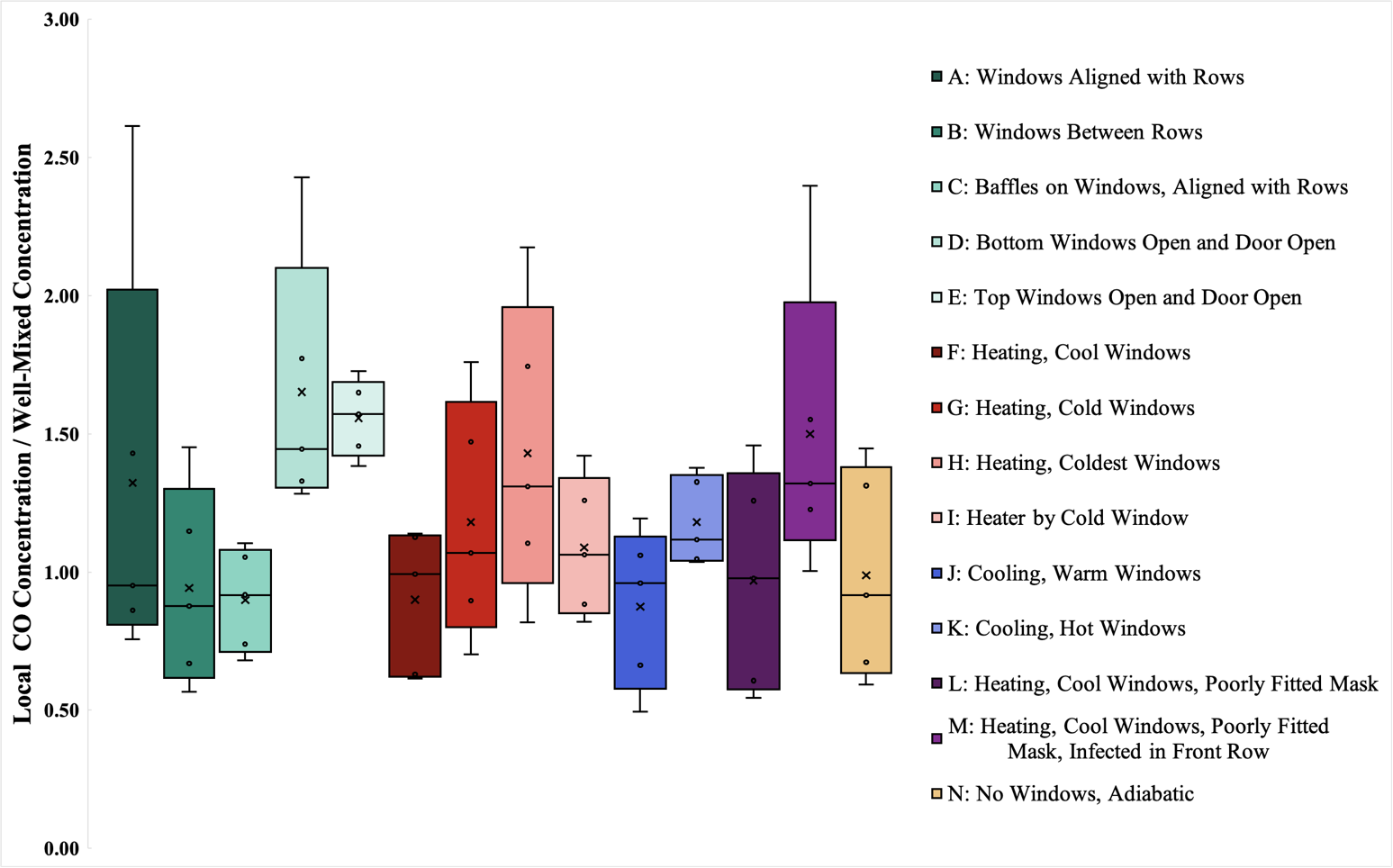
Mechanics of materials, thermal-fluids analysis, and experimental validation. MATLAB, Python, and data-driven iteration to get the engineering right.
1
Engineer, Zero Overhead
No project managers, no billing layers. You work directly with the person designing your product — which means faster decisions, lower costs, and nothing lost in translation.
MIT
Research-Grade Rigor
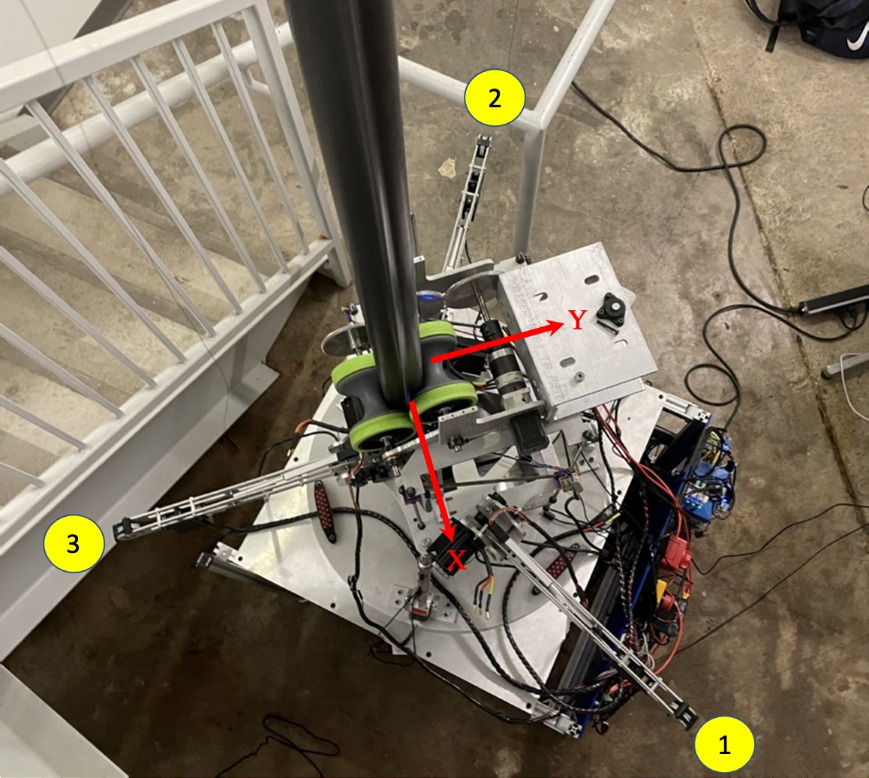
Three MIT degrees, five patents, and published research across medical devices, robotics, and sustainable engineering. The technical depth of a top lab with the responsiveness of a freelancer.
5+
Industries Served
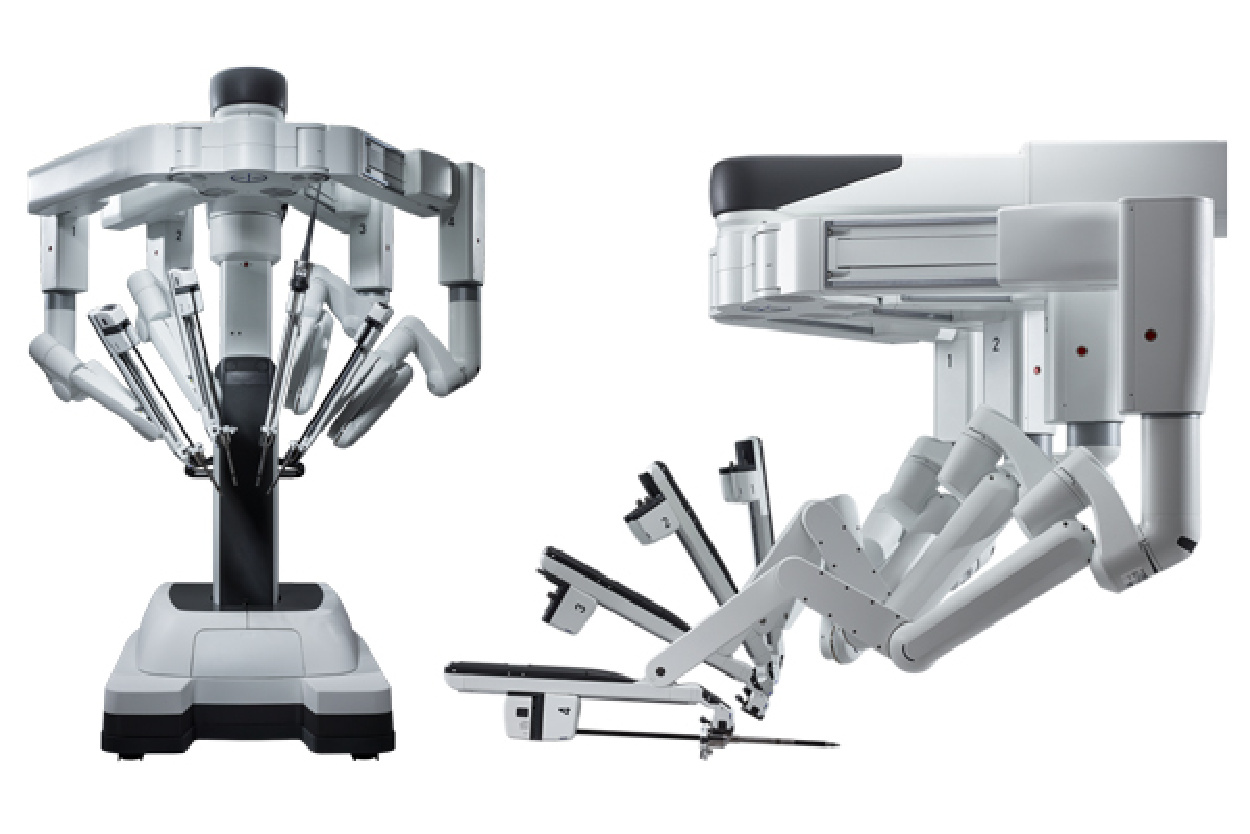
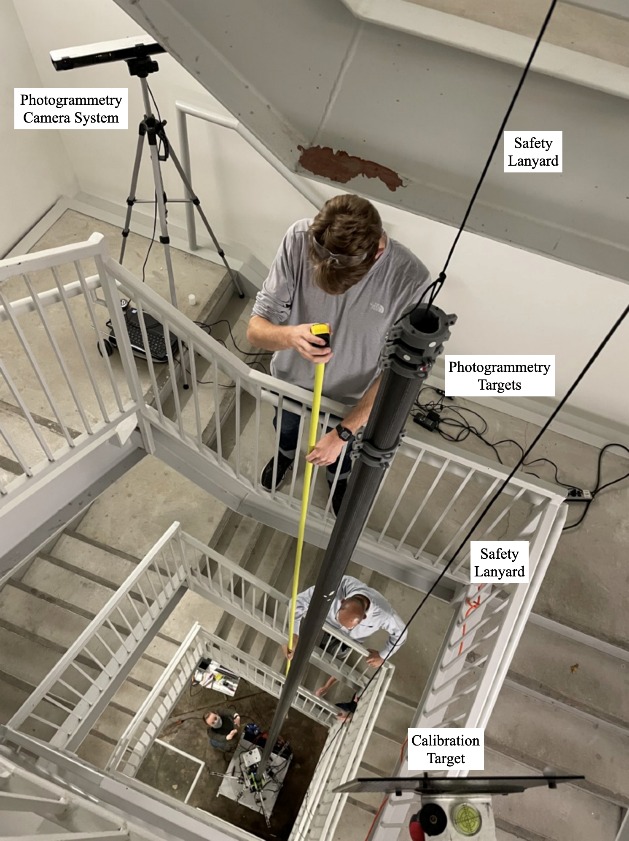
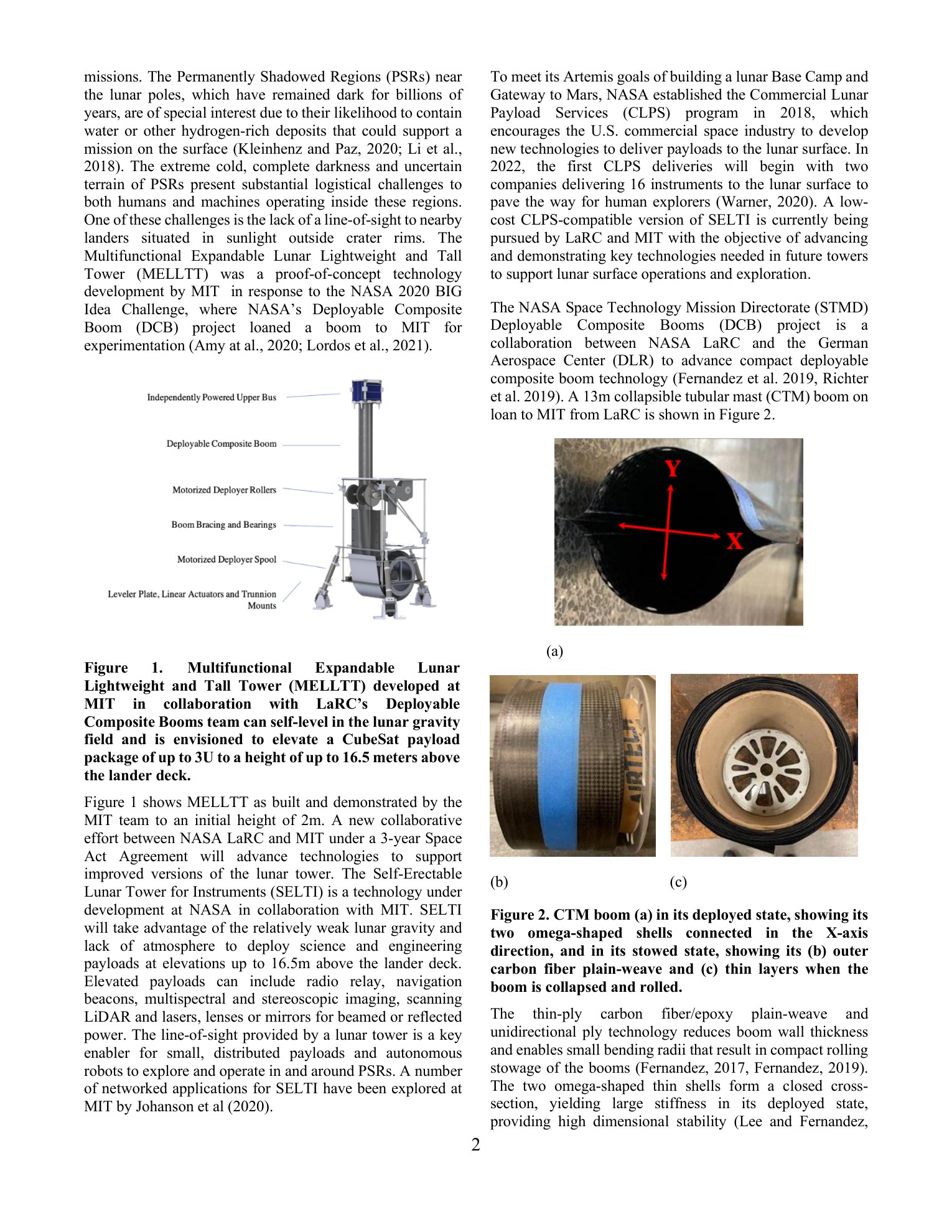
From surgical instruments at Intuitive to deployable lunar structures at NASA — a cross-industry toolkit that brings unexpected solutions to your domain.